
Uni
Play Uni
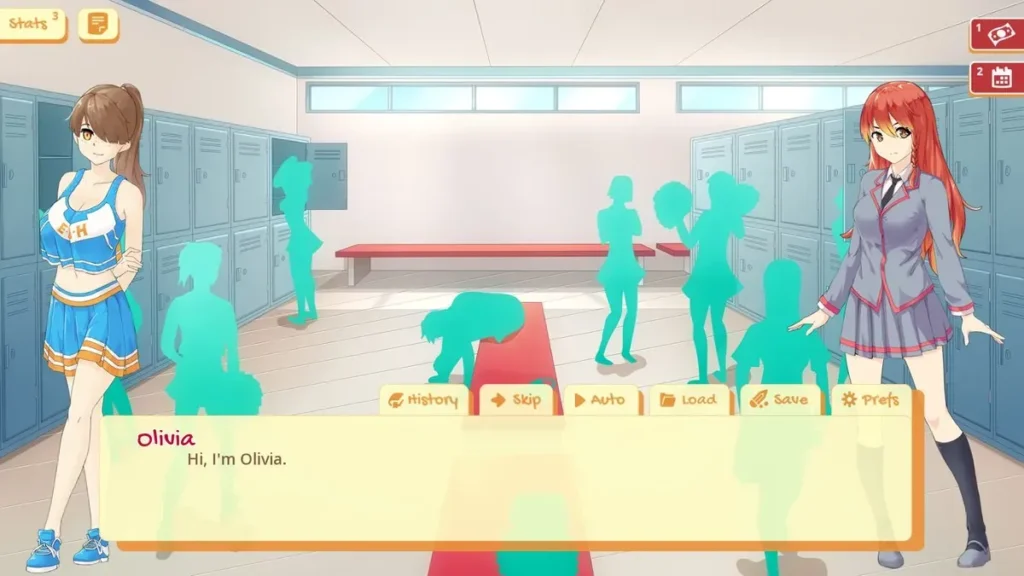
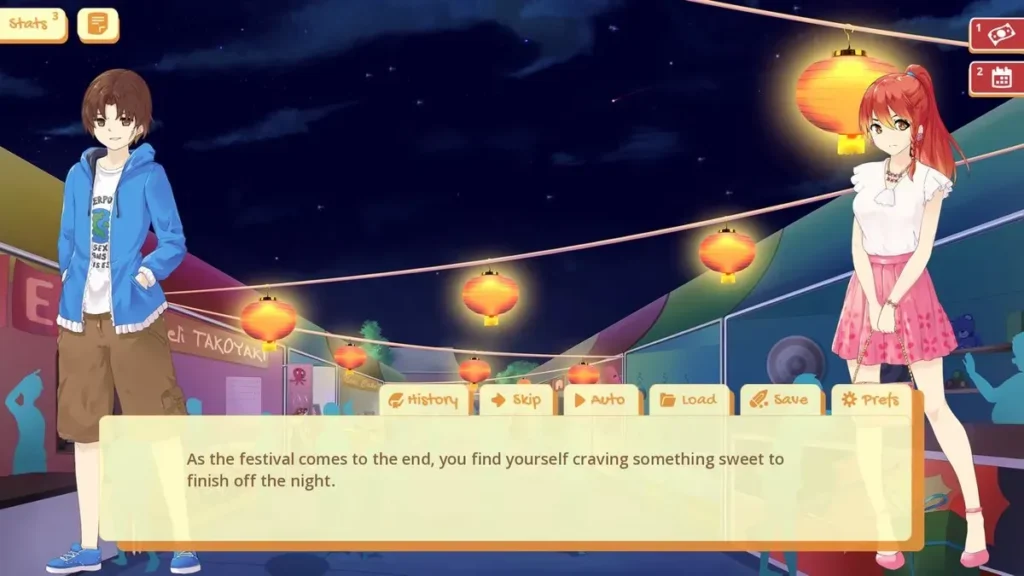
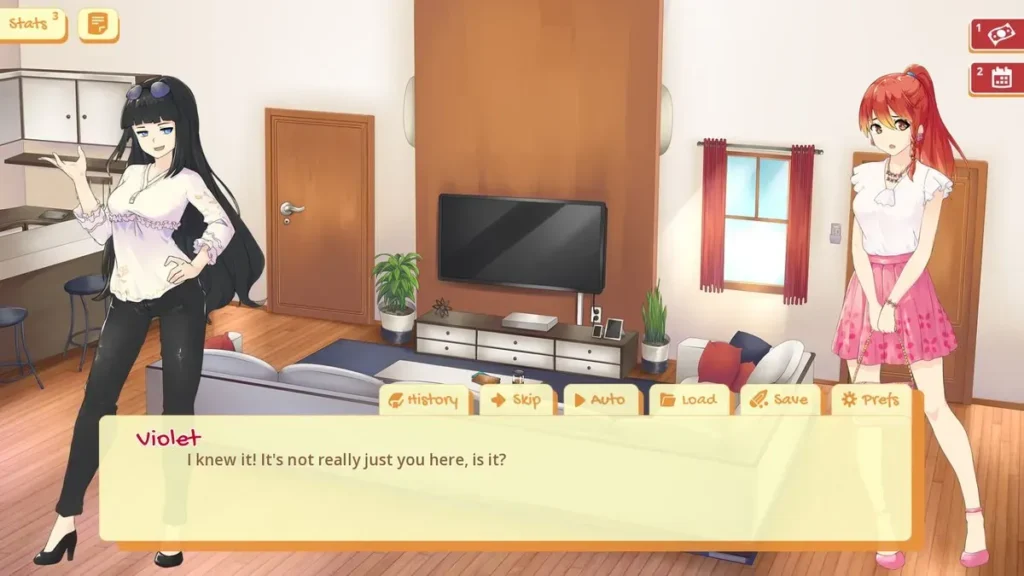
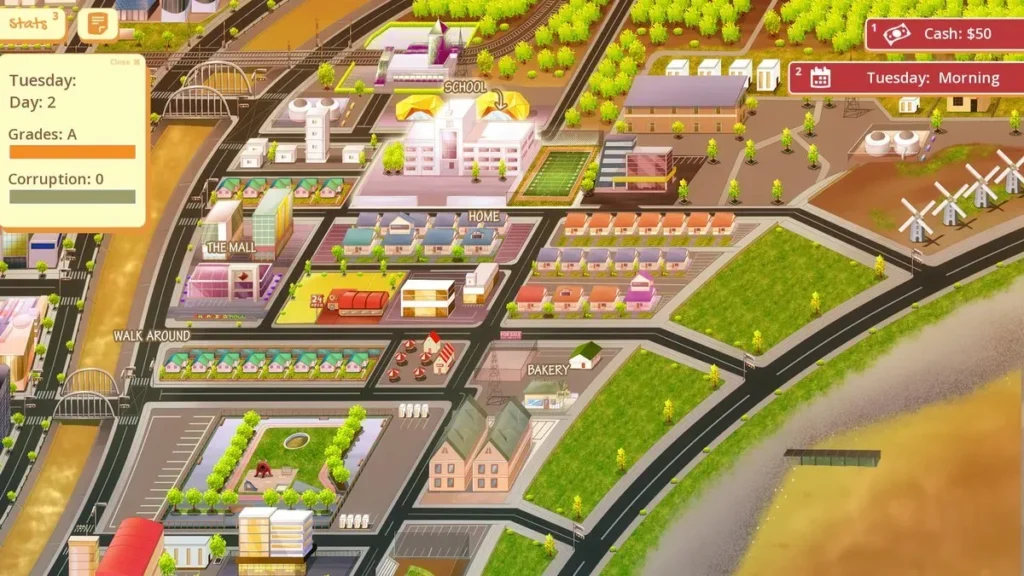
Uni Screenshots







Uni review
Discover secrets, strategies, and thrills in the addictive Uni adventure
Ever stumbled upon a game that hooks you from the first click? That’s Uni for me – this captivating adult title blends exploration, choices, and steamy encounters in a university setting. If you’re searching for ‘Uni game’ or ‘Uni adult game,’ you’re in the right spot. I’ve spent hours diving into its worlds, making decisions that lead to wildly different outcomes. In this guide, I’ll share insider strategies, hidden features, and personal stories to help you master Uni. Whether you’re new or replaying for more endings, let’s level up your playthrough together.
What Makes Uni Game Stand Out?
I still remember my first night with the Uni game. 🎮 I fired it up expecting a lighthearted sim, picked a few classes, and introduced my character to a friendly-looking roommate. A few in-game weeks later, that same roommate was secretly forging documents to frame a rival society, and I was utterly, completely hooked. That moment—the realization that my casual choices had quietly nurtured a thrilling, unexpected plot—answered the question “what is Uni game?” better than any description. It’s not just a game; it’s a dynamic, living world that reacts to you.
So, what fuels this incredible reactivity? Let’s peel back the layers and explore the Uni game mechanics that make every session unique.
Core Mechanics of Uni Game Explained
At its heart, the Uni game is powered by three interconnected systems: its branching narrative, deep character interactions, and a nuanced progression model. Unlike linear stories, your journey is a web of possibilities.
The branching storylines are the game’s backbone. Every decision, from a major ethical choice to a seemingly trivial comment in a lecture hall, feeds into an invisible “narrative weight” system. 🧠 Choosing to help a struggling classmate might unlock a tutoring side-quest that later provides a crucial exam answer. Conversely, focusing solely on your own grades could isolate you, making you vulnerable when you need allies later. The plot doesn’t just branch at obvious moments; it subtly shifts direction based on your cumulative reputation, skills, and relationships.
This leads to the second pillar: character interactions. Every person you meet in this Uni adult game has their own goals, secrets, and schedules. Building a relationship isn’t just about clicking “chat” repeatedly. You need to engage with their interests, be at the right place at the right time, and sometimes make choices that benefit them at a cost to yourself. These relationships form a dynamic web—befriending one character might inherently make you an enemy of their rival, opening and closing story paths organically.
Finally, your progression system ties it all together. You don’t just level up a generic “charisma” stat. You develop specific skills like “Debate Logic” or “Lab Precision,” which are directly tied to your chosen major and activities. These skills act as keys. A high “Campus Networking” skill might allow you to overhear a secret society meeting, while a robust “Critical Analysis” skill could let you decipher a professor’s cryptic notes, unveiling a hidden side story. 🗝️ This means your build directly dictates which parts of the world you can unlock.
Why Uni Captivates Players Like You?
It’s the player-driven narrative that creates an unmatched sense of ownership. You’re not watching a story unfold; you’re authoring it with every click. The immersive university environment—full of lectures, parties, library late-nights, and campus drama—provides a relatable sandbox where your actions have tangible, often surprising, consequences. The thrill comes from seeing the ripple effects of your choices two, ten, or twenty hours later.
- A Living, Reactive World: NPCs remember your actions and treat you accordingly. Your reputation precedes you.
- Meaningful Consequences: Choices rarely have simple “good/bad” outcomes, offering morally grey areas that stick with you. 😈😇
- Deep Character Customization & Development: It’s not just about looks; it’s about shaping your character’s personality, ethics, and intellect through play.
- High Stakes in a Familiar Setting: The university backdrop makes the social and academic stakes feel intensely personal and real.
- Rich, Unlockable Secrets: From secret societies to hidden romance paths, there’s always more to discover off the beaten track.
Let me give you a case study. In one playthrough, I decided my character would be a reclusive art history major. Instead of partying, I spent evenings in the archives. By consistently building my “Archival Research” skill and being kind to the elderly librarian, I unlocked a side-quest about a stolen campus artifact. This path was completely invisible in my previous, more socially-focused playthrough! It led to a tense confrontation with a tenured professor and a unique ending for my character. That’s the magic of the Uni game features—your playstyle literally writes your story.
Uni Game vs Traditional Adventures: Key Differences
How does the Uni game stack up against other narrative experiences? The difference is agency and replayability. Many story games offer the illusion of choice, funneling you back to a main path. Uni is built on divergence.
In a traditional adventure, you might have a dialogue tree. In Uni, your entire surrounding world is the dialogue tree. Your relationships, skills, and even daily schedule are all part of the conversation. The key differences can be summarized like this:
| Aspect | Traditional Narrative Game | Uni Game Experience |
|---|---|---|
| Story Path | Often linear or with few major branches. | A sprawling web of micro-and macro-branches based on cumulative choices. |
| Character Progression | Stats often combat-focused or provide generic bonuses. | Skills are narrative keys that unlock specific content and dialogue. |
| World Reactivity | Characters may have limited memory of your actions. | The world and its inhabitants dynamically adapt to your reputation and history. |
| Replay Goal | To see an alternate ending or two. | To experience a fundamentally different story, career, and set of relationships. |
This structure makes replayability Uni’s superpower. Starting a new game isn’t about skipping dialogue; it’s about embarking on a genuinely new life on campus. 🏛️
“I’ve played through Uni five times, and I’ve had five completely different careers—from a scandal-plagued journalist to a reformed cheater turned ethics professor. I’m still finding new events.”
Ready to play Uni game for yourself? Here’s how to start strong. First, don’t try to do everything. Pick a focused initial path. Choose a major and two core skills to prioritize—this will give you a clearer, richer narrative thread early on. Second, talk to everyone, but invest in a few. Deep relationships yield more complex story dividends than shallow ones with everyone. Finally, embrace failure. Flunking a quiz or angering a character isn’t a “game over”; it’s a new story branch. Some of the most compelling content is hidden behind what first looks like a setback.
Understanding what is Uni game is understanding that you are the catalyst. Its mechanics, features, and depth are all designed to put the pen in your hand. Now go on—your university adventure awaits. What story will you write? ✍️
Wrapping up my deep dive into Uni, it’s clear this game delivers endless thrills through smart choices, vivid scenarios, and personal growth paths. From my late-night sessions chasing perfect endings to sharing tips with friends who’ve gotten hooked, Uni has reshaped how I view interactive stories. You’ve got the strategies, insights, and secrets now – dive in, experiment boldly, and uncover your favorite paths. Ready to play? Grab Uni today and start your adventure. Share your wildest outcomes in the comments; I’d love to hear your stories!