Play Love Sucks Night Two
Love Sucks Night Two Screenshots

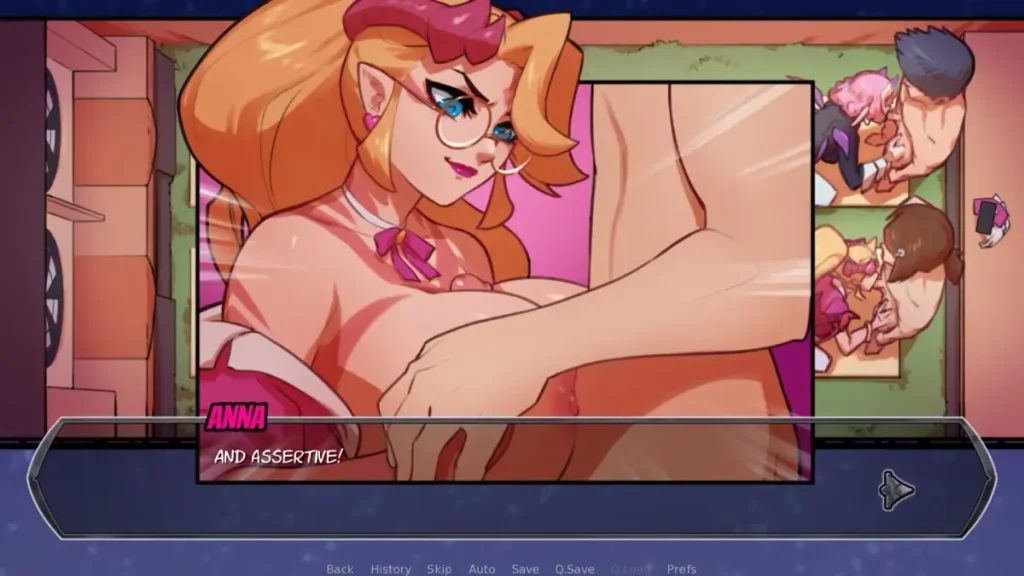
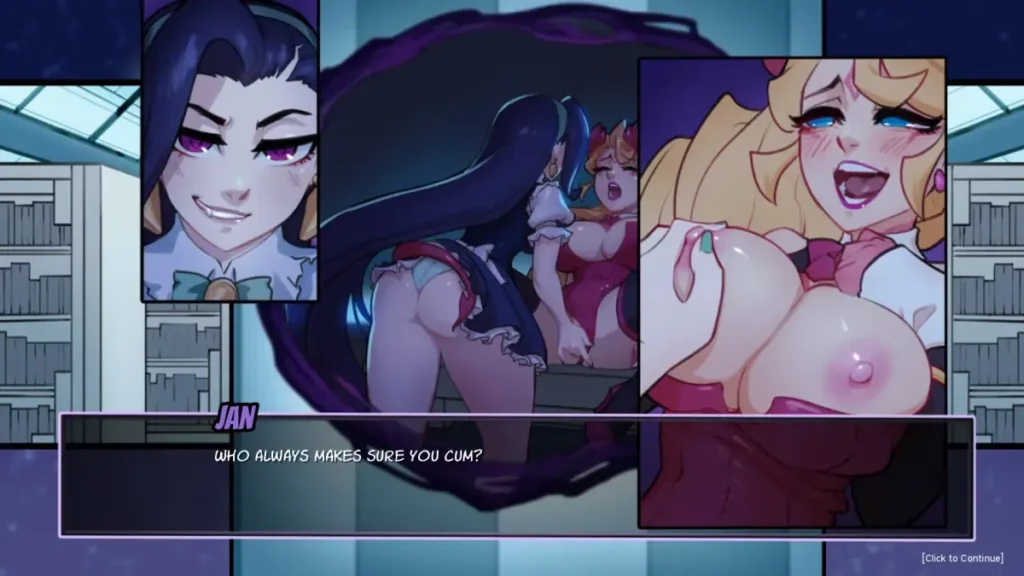
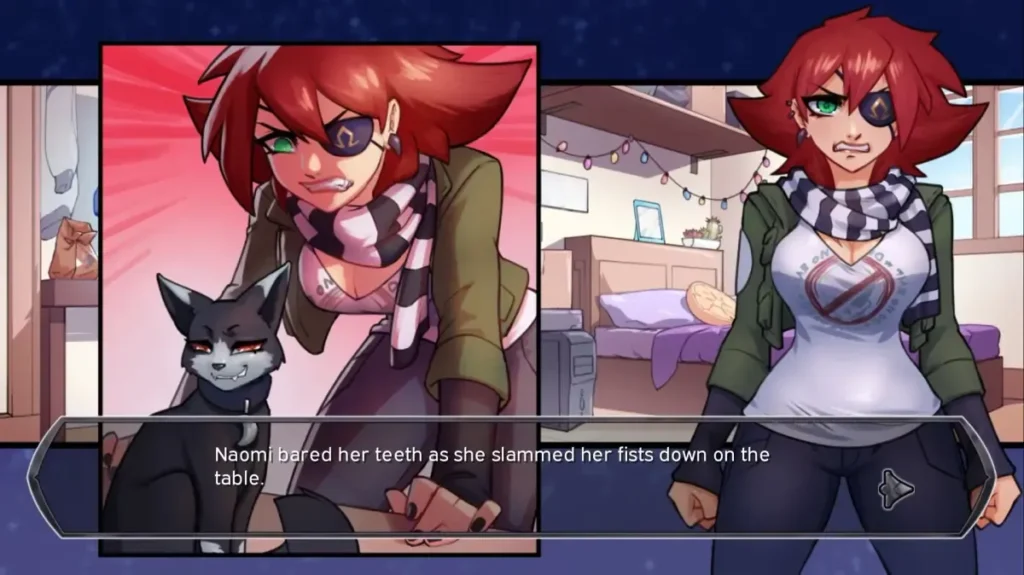
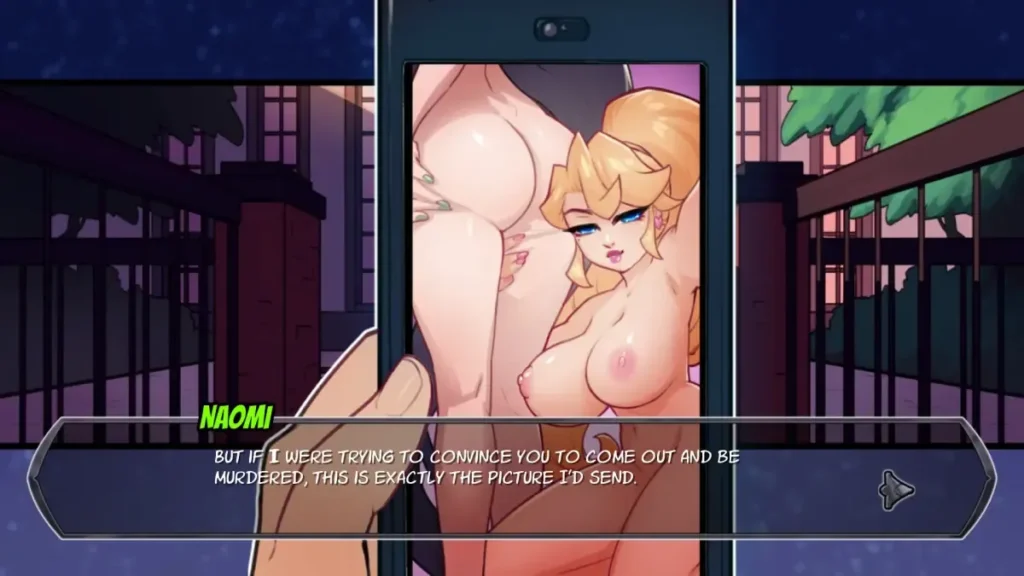
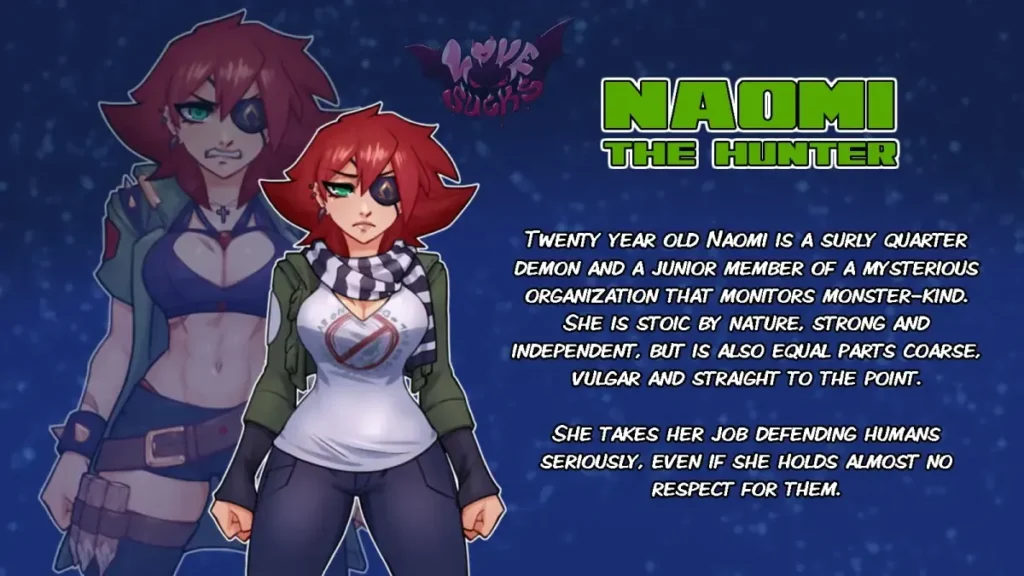
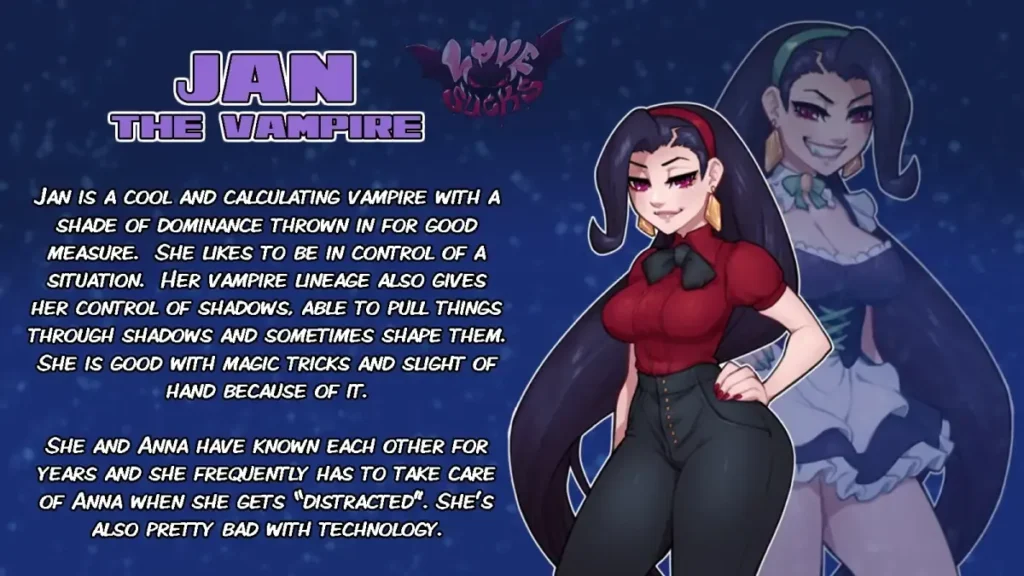
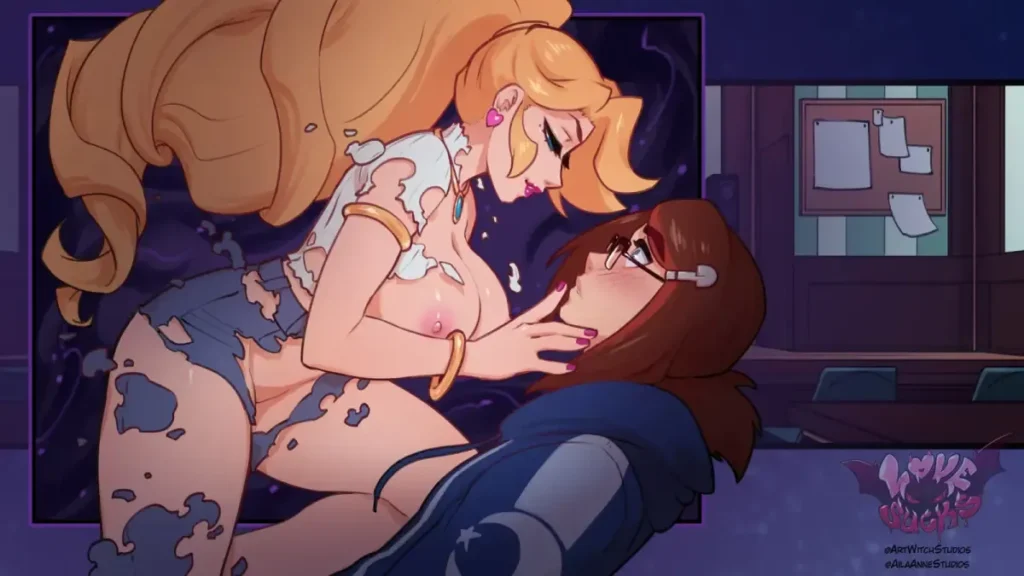
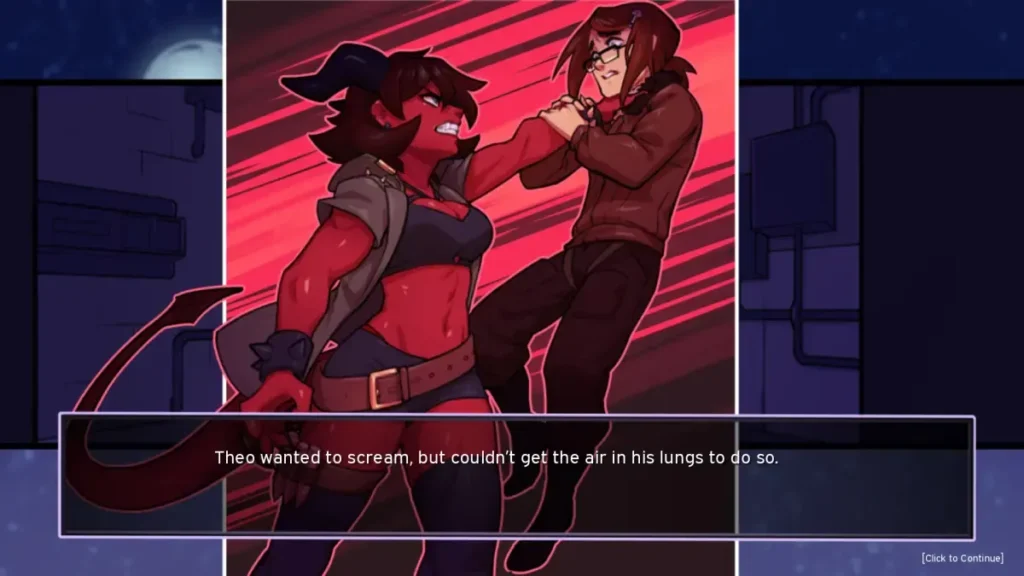
Love Sucks Night Two review
Master the supernatural encounters and monster mechanics in this adult adventure game
Love Sucks Night Two is an adult-oriented interactive fiction game that combines supernatural elements with relationship-building mechanics. The game features encounters with monster characters, each with unique abilities and backstories. Players navigate through mysterious scenarios involving succubi, vampires, and other supernatural beings while managing relationships and uncovering the game’s narrative mysteries. Whether you’re new to the game or looking to deepen your understanding of its mechanics and characters, this guide provides essential insights into what makes Love Sucks Night Two a distinctive experience in the adult gaming genre.
Understanding the Game Mechanics and Character System
Ever felt like you’re walking a supernatural tightrope in Love Sucks Night Two? 😅 You’re not alone. I remember my first playthrough, stumbling into a room with both a hungry succubus and a brooding vampire, completely unaware of how their monster character abilities would clash. I made a choice on a whim, and let’s just say the resulting chain of events was… chaotic. This game doesn’t just hand you a story; it gives you a toolbox of supernatural mechanics and asks you to build your own fate.
Mastering the Love Sucks Night Two mechanics is the difference between a thrilling, personalized adventure and a quick, confusing demise. This guide is your blueprint. We’re going to break down everything from how a succubus’s touch can change a scene, to how your conversations literally shape the world. Forget just playing the game—let’s understand it. 🧠✨
How Monster Abilities Work in Love Sucks Night Two
At its pulsating heart, Love Sucks Night Two is a game of supernatural cause and effect. Every being you meet operates on a unique set of mystical rules, and your survival—and success—depends on learning them. The monster character abilities aren’t just flashy combat moves; they are intricate systems that influence puzzles, social encounters, and the very environment around you.
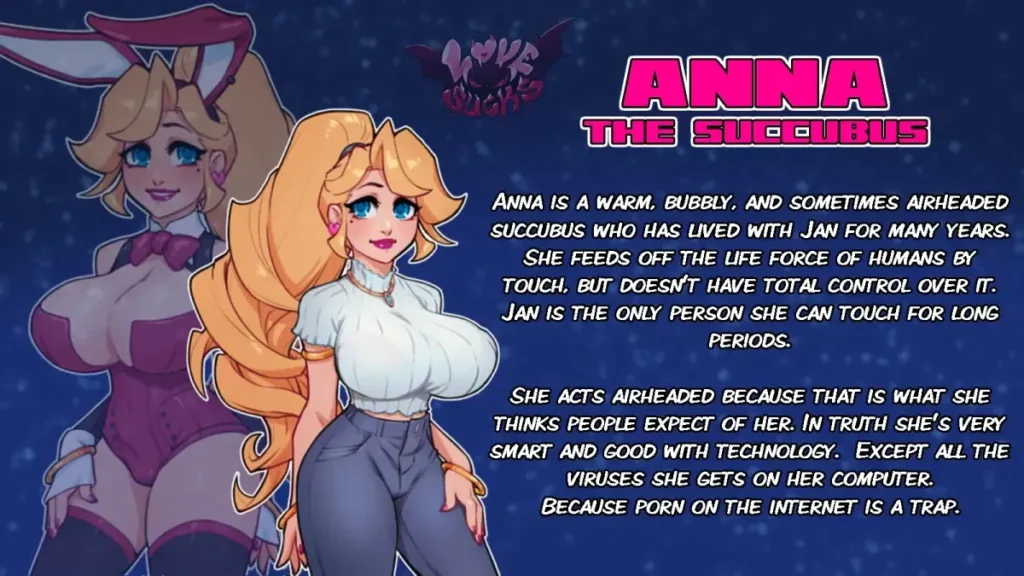
Let’s get tangible. Each supernatural type has a core resource and a core limitation. For a succubus, her power is tied to life force, which she gathers through proximity and, more intensely, through physical and intimate contact. This isn’t just a lore detail; it’s a core succubus gameplay feature. The more life force she has, the more potent her abilities of allure, persuasion, and sensory manipulation become. But let me share a personal insight: it’s a balancing act. Push too hard, drain too much from someone in a single encounter, and you might leave them useless—or worse, trigger a catastrophic story shift you didn’t see coming.
Conversely, the vampire mechanics game revolves around shadows and darkness. A vampire can meld with shadows to become unseen, stretch darkness to create barriers, or even weaponize it. Their power often peaks in dimly lit areas and plummets in bright light. This creates a brilliant, dynamic layer to exploration. I’ve had to literally rearrange light sources in a room to gain an advantage or create a safe path, turning environmental interaction into a direct extension of character power.
But what about other entities? The game’s roster is diverse, and understanding their quirks is key. Here’s a breakdown of the major types you’ll master:
| Character Type | Core Ability & Resource | Key Gameplay Mechanics | Strategic Strength |
|---|---|---|---|
| Succubus | Life Force Drain (via touch/intimacy) | Empathic sensing, charm persuasion, enhanced physical allure. Power fluctuates with life force reserves. | Dominating social encounters and manipulating character desires. Ideal for diplomatic or seductive paths. |
| Vampire | Shadow Manipulation & Darkness Control | Phasing through shadows, creating zones of concealment, darkness-based attacks. Strengthened at night/in darkness. | Stealth, evasion, and controlling the battlefield. Excellent for avoiding direct conflict or setting up ambushes. |
| Werewolf | Primal Fury & Lunar Strength | Enhanced strength/speed, territorial senses, fear induction. Tied to emotional control and lunar cycles. | Raw physical power and intimidation. Perfect for overcoming physical obstacles or forcing confrontations. |
| Spirit/Wraith | Ethereal Form & Possession | Intangibility, haunting, minor telekinesis, influencing emotions. Limited by spiritual anchors. | Gathering information, bypassing physical locks, and applying subtle, psychological pressure. |
The real magic (pun intended 🪄) happens in how these systems intersect. A vampire’s shadow could dampen a werewolf’s senses. A succubus might find a spirit’s emotional aura particularly nourishing. The Love Sucks Night Two mechanics encourage you to think about these interactions. It’s not just “use power A on target B.” It’s about creating supernatural synergies or exploiting supernatural weaknesses, and that is where the deepest layer of strategy lies.
Character Interaction and Relationship Dynamics
If the supernatural abilities are the engine, then the character interaction system is the steering wheel. Every dialogue choice, every fulfilled (or ignored) request, and every shared moment is tracked on a hidden ledger that determines how the story’s cast feels about you. This isn’t a simple “like/dislike” meter. We’re talking about complex emotions like trust, desire, rivalry, and fear, all woven into the Love Sucks Night Two narrative fabric.
The system is brilliantly contextual. Your approach with a character should reflect their nature. Trying to use blunt, commanding dialogue on a proud vampire elder will backfire spectacularly, while a werewolf might respect the directness. I learned this the hard way when I used a succubus’s charming flair on a character who valued brutal honesty above all—it shattered our rapport instantly. The game’s character interaction system reads subtext. Are you being manipulative or genuine? Are you offering help to gain leverage, or out of compassion? The characters can often tell.
These interactions are the primary fuel for story progression. A strong bond with a succubus might unlock her personal questline, revealing hidden lore and granting you unique boons. Conversely, making an enemy of a powerful vampire could see them actively working against you in future chapters, closing off entire areas or turning other characters against you. Your relationships directly open or close narrative doors.
Pro Tip: Pay close attention to character-specific preferences. Some might value gifts of rare artifacts, while others are more impressed by displays of your own supernatural abilities. Offering a vampire your help in a sun-lit problem can build more trust than a thousand pretty words.
Here’s how your interactions tangibly shape the game world:
* Unlocking Exclusive Scenes: Deepening a relationship often leads to private, story-rich encounters that flesh out the world and the character.
* Gaining Strategic Allies: In multi-character encounters, your allies can intervene, support your arguments, or even fight alongside you.
* Altering Character Motivations: A well-cultivated relationship can convince a character to abandon a harmful plan or reveal a crucial secret.
* Triggering Personal Transformations: Your influence can affect how a character views their own nature, potentially leading them to control their powers in new ways.
The succubus gameplay features are a masterclass in this system. Because her power is so tied to emotional and physical connection, your interactions with a succubus character are intensely charged. Choosing to resist her allure might earn her respect, while yielding could plunge you into a dynamic of dangerous mutual dependency. It’s this nuanced, cause-and-effect character interaction system that makes every conversation feel impactful.
Game Progression and Story Elements
So, how do all these pieces—abilities, interactions, choices—come together to drive the tale forward? The Love Sucks Night Two story progression is a masterfully woven web, not a straight line. You won’t find a simple “mission complete” checklist. Instead, progression is measured in revealed truths, shifted allegiances, and changes to the game’s central hub and your relationships within it.
The core loop is elegant: Explore scenarios, use your growing understanding of monster character abilities to navigate them, engage deeply with the character interaction system, and witness the consequences of your choices unfold. These consequences aren’t just dialogue changes; they are environmental and systemic. A feud you mediated might result in two characters now being found together in the lounge, offering a new joint quest. A secret you uncovered might allow you to blackmail a character (a morally grey, but often effective, succubus gameplay feature), creating a shortcut in a future puzzle.
Player agency is paramount. Major story beats are often gated behind key decisions, and there is no “right” answer—only different shades of consequence. For example, early on, you might discover a ritual that could cure a character of their vampiric curse. Do you:
1. Tell them immediately, risking their desperate, unpredictable reaction?
2. Research it secretly, using your vampire mechanics game knowledge to understand the potential side effects?
3. Destroy the information, believing some curses are meant to be borne?
Each path splinters into unique scenes, tests different relationships, and requires the use of different supernatural abilities. This is the essence of Love Sucks Night Two story progression: your chosen methodology defines your unique narrative.
The supernatural abilities explained earlier are your tools for this narrative sculpting. Need to access a sealed, sun-lit archive? Befriending a shadow-controlling vampire becomes a valid progression strategy, not just a side activity. Need to extract a painful memory from a traumatized spirit? The empathic touch of a succubus might be the only key. The game brilliantly ties power progression to social progression. As you understand characters more, you understand how to apply their—and your—abilities in more creative ways to overcome story obstacles.
Ultimately, every playthrough becomes a personal story about power, connection, and survival in a world where the rules are written in shadow and desire. By mastering the Love Sucks Night Two mechanics, you stop being a passenger in the story and become its author. 🖋️
FAQ: Love Sucks Night Two Mechanics & Progression
Q: How crucial is it to specialize in understanding one type of monster ability?
A: While you can play broadly, deep specialization pays off. Focusing on, say, vampire mechanics game intricacies will unlock optimized solutions and dialogue options with vampire characters, making their story arcs smoother and more rewarding. The game rewards expert knowledge.
Q: Can I fail a relationship permanently?
A: Yes, and it’s a feature, not a bug. Major betrayals or consistent neglect can irreparably damage bonds, locking you out of that character’s content. However, the game is designed so that even “failed” relationships create interesting, alternate story paths.
Q: How does the “life force” mechanic for succubi actually work during gameplay?
A: It’s a semi-visible resource. As you engage in positive interactions or more intimate contact with other characters, your succubus’s potency in charm-based skills increases. You’ll see her abilities have greater effect and duration. Let it dip too low, and her powers become weak and unreliable. It turns every social moment into a subtle resource management game.
Q: Is combat a major part of the game?
A: Direct, traditional combat is rare. Conflict is more often resolved through supernatural prowess, social maneuvering, or environmental manipulation using your monster character abilities. Think of it as supernatural problem-solving where intimidation, seduction, or stealth are your primary “weapons.”
Q: How do my choices affect the ending?
A: Profoundly. The Love Sucks Night Two story progression builds towards several major ending branches, determined by your key moral choices, which factions you align with, and the state of your closest relationships. There’s no “golden ending,” only the conclusion your actions have earned.
Love Sucks Night Two offers a unique blend of supernatural storytelling and interactive gameplay that appeals to players interested in adult-oriented narrative experiences. The game’s intricate character system, featuring distinct monster types with specialized abilities, creates engaging encounters that reward player exploration and decision-making. Understanding the core mechanics—from succubus life force dynamics to vampire shadow manipulation—enhances your ability to navigate relationships and progress through the game’s branching storylines. Whether you’re drawn to the character-driven narrative, the supernatural elements, or the relationship-building aspects, Love Sucks Night Two delivers a complex gaming experience that evolves based on your choices. As you continue playing, experimenting with different interaction approaches and exploring various character paths will reveal new dimensions of the game’s world and deepen your appreciation for its design.