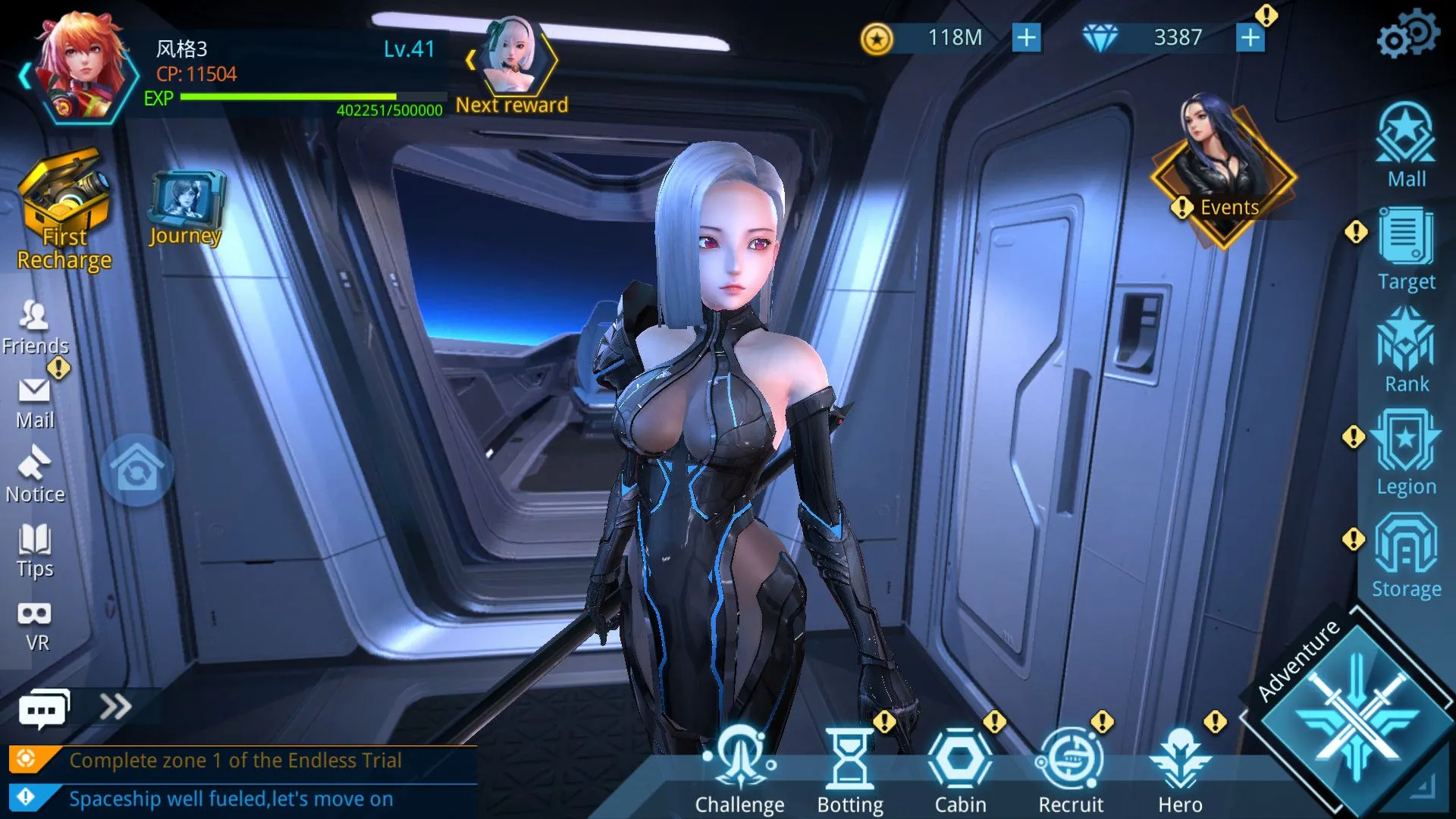
False Hero
Play False Hero
False Hero Screenshots


False Hero review
Exploring the gameplay, characters, and narrative choices in False Hero
False Hero is a distinctive adult-themed interactive game that centers around corruption-based gameplay, where players navigate complex relationships and moral decisions with multiple characters. This article explores the core mechanics, storyline, and character dynamics that make False Hero a unique experience for players seeking a narrative-driven game with branching paths. Whether you’re new or returning, understanding these elements will enhance your gameplay and decision-making.
Understanding False Hero: Gameplay and Corruption Mechanics
Ever boot up a game expecting a simple power fantasy, only to find your moral compass spinning wildly? 😅 That’s the brilliant hook of False Hero gameplay. It’s not about being good or evil in a cartoonish way. It’s about the slow, seductive, and sometimes shocking slide from principle to pragmatism, where every choice feels justified in the moment. This deep dive is for players ready to explore the intricate web of decisions that defines this experience.
At its heart, the interactive adult game mechanics present you with a world in crisis and the power to save it—but the “how” is entirely up to you. Will you be the paragon of hope, or will you decide that some corruption is a necessary price for true strength? Let’s pull back the curtain on what makes this journey so uniquely compelling.
What is the Core Gameplay of False Hero?
The foundation of False Hero gameplay is a visual novel intertwined with strategic relationship management and resource gathering. You play as a summoned hero in a fantasy realm, but forget the typical “chosen one” script. 🛡️➡️👑 Here, your legitimacy is constantly questioned, resources are scarce, and allies have their own volatile agendas.
Your primary tools are dialogue choices and action selections during key story beats. A typical session might involve:
* Conversing with party members to build trust (or instill fear).
* Making strategic decisions for your guild and the kingdom.
* Managing your reputation with different factions.
* Engaging in conflicts where your chosen False Hero character paths determine your available tactics.
The genius lies in how these seemingly mundane tasks are gateways to the corruption system False Hero is famous for. Choosing to intimidate a informant for faster results, pocketing a rare artifact for personal power instead of public good, or exploiting a companion’s emotional vulnerability—these actions aren’t just “evil points.” They are logical, incremental steps on a path that feels eerily natural. You’re not flipping a switch to “bad guy mode”; you’re making tough calls that steadily reshape your False Hero narrative decisions.
How Does the Corruption System Influence Player Choices?
This is where False Hero truly shines. The corruption system False Hero employs isn’t a simple meter filling up. Think of it as a multifaceted stain that spreads differently depending on where you spill it. Your corruption can manifest as:
* Personal Corruption: Affecting your own abilities and appearance, unlocking powerful but morally dubious skills.
* Social Corruption: Altering how characters perceive and interact with you, opening up new dialogue trees through fear or shared ruthlessness.
* World Corruption: Changing the visual and narrative state of the game world itself based on your cumulative actions.
Every major False Hero choices impact these three areas independently. You might be personally pure but rule through terrifying social manipulation, creating a fascinating dissonance. The system constantly asks: “What are you willing to compromise, and what will you gain?” The branching story False Hero offers is a direct result of this complex calculus.
To visualize how these choices diverge, let’s look at a typical scenario and its potential outcomes:
| Choice Scenario | Path Taken | Immediate Effect | Long-Term Story & Relationship Impact |
|---|---|---|---|
| Dealing with a defiant noble | Persuade with reason (Pure Path) | Gain modest influence; slower progress. | Earns respect from lawful allies. The noble becomes a grudging but stable ally. Unlocks diplomatic story branches. |
| Dealing with a defiant noble | Blackmail with secrets (Corrupt Path) | Gain immediate, total compliance. | Instills fear in other characters. The noble obeys but seeks revenge. Unlocks ruthless, power-centric narrative options. |
| Distributing scarce healing resources | Prioritize civilians (Pure Path) | Boost public reputation; lose a soldier unit. | Your army’s morale may dip, questioning your loyalty. Civilian factions become fiercely protective of you. |
| Distributing scarce healing resources | Prioritize your elite guard (Corrupt Path) | Maintain military strength; public trust falls. | Your forces become more effective and personally loyal. The populace grows fearful or resentful, leading to unrest subplots. |
This table shows just a glimpse of the domino effect. The real magic is that these paths aren’t mutually exclusive. You can mix and match, creating a hero who is publicly kind but privately monstrous, or vice-versa.
Character Interactions and Their Impact on the Story
The False Hero character paths are inseparable from the companions you meet. Each character is a litmus test for your morality, with their own unique triggers and breaking points. Your False Hero narrative decisions with them don’t just change a affection score; they alter their core personality, role in the story, and even their visual design over time.
A companion on a pure path might grow into a beacon of hope and idealism. Take them down a corrupt path, and you might witness their compassion harden into cynicism, or their justice warp into cruelty—often with you as their catalyst. These relationships are the emotional engine of the branching story False Hero crafts.
I’ll never forget my first major pivot point with Elara, the idealistic mage. We discovered a sacred grove being defiled by a desperate village for lumber. The “heroic” choice was clear: stop them, protect the ancient magic. Elara urged me to do just that. But I saw the village’s starving children, a consequence of the kingdom’s broader decay my “heroic” actions had yet to fix. I chose to look the other way for a promise of future supplies.
The False Hero choices impact was profound. 😮 My personal corruption ticked up. Elara was horrified, her trust shattered. Our dialogue became frosty, and she started refusing to use certain spells in battle, deeming them “too pure” for my compromised leadership. Yet, in that village, I became a legend. New quests opened up there, centered on gritty survival, not lofty magic. I lost a powerful ally but gained a loyal, if rough, faction. It felt less like winning or losing and more like living with the weight of a real, messy decision. This is the power of interactive adult game mechanics—they create stories you feel responsible for.
Practical Tips for Navigating the System:
* Roleplay Consistently: Decide who your hero is at the start. A pragmatist? A fallen idealist? Sticking to an internal logic makes the corruption system False Hero uses feel more narrative than mechanical.
* Embrace Failure: Not every corrupted or pure choice leads to power. Sometimes it backfires. These “failures” often create the most memorable and human moments in the branching story False Hero.
* Talk to Everyone, Repeatedly: Character dialogues update with nearly every story beat. A companion’s offhand comment can reveal how close they are to breaking or redemption based on your latest actions.
* There Are No “Right” Answers: The game’s replay value lies in exploring different False Hero character paths. Your “bad” ending is just another compelling chapter in this world’s saga.
Ultimately, False Hero gameplay is a masterclass in consequence. It understands that true corruption is rarely a mustache-twirling plot, but a series of small, justifiable compromises that forever alter your False Hero narrative decisions. It’s a game that stays with you, not for the battles you win, but for the person you become in the process. 🎭 So, who will your False Hero be?
False Hero stands out as a game that combines interactive storytelling with a complex corruption mechanic, offering players meaningful choices that shape their experience. Understanding the gameplay and character dynamics is key to fully enjoying the game’s depth and replayability. Whether you prefer a more corrupt path or a nuanced approach to relationships, False Hero provides a compelling narrative playground. Dive in, explore the possibilities, and see where your decisions lead you.