Deathable
Play Deathable
Deathable Screenshots
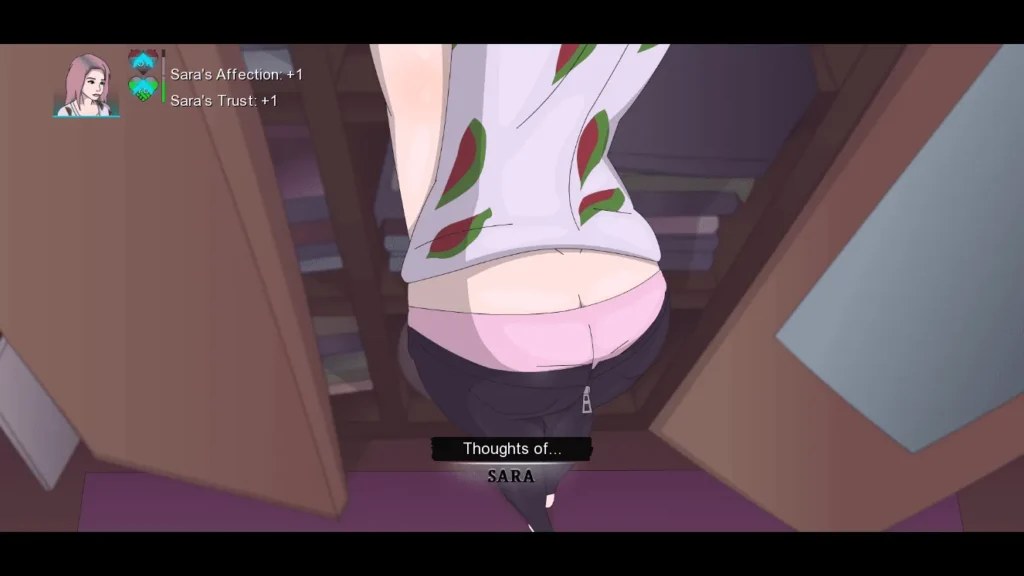
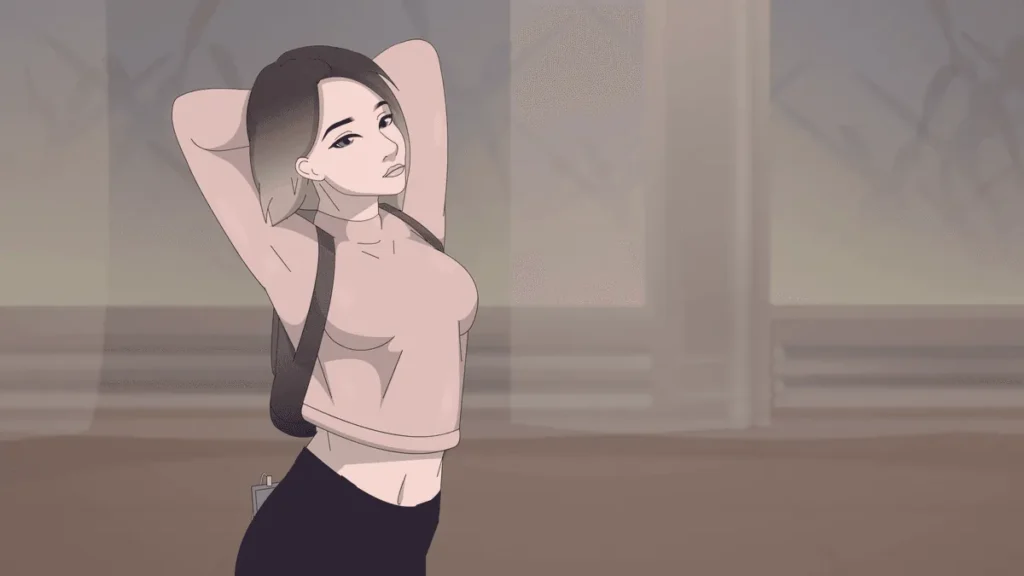

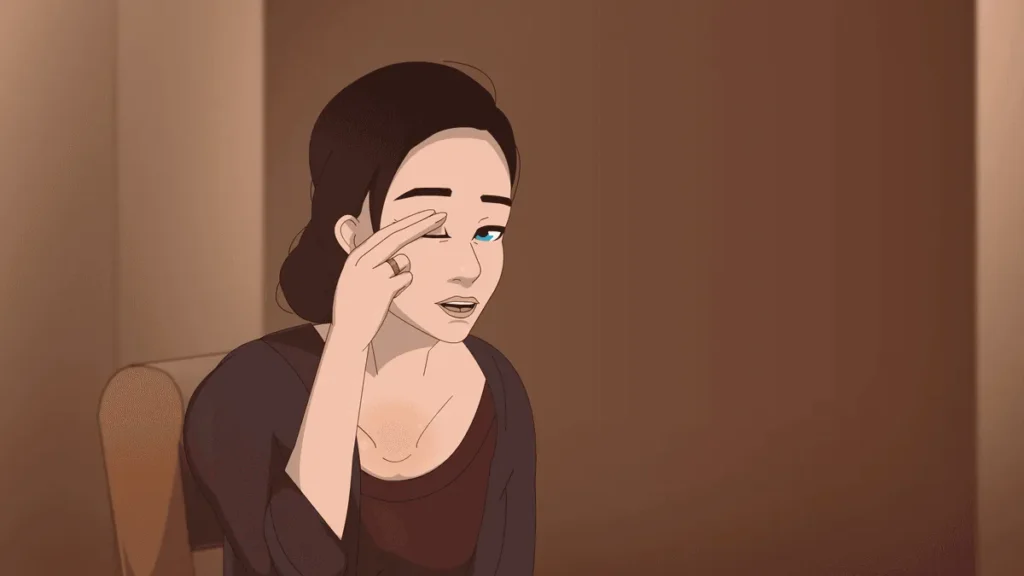
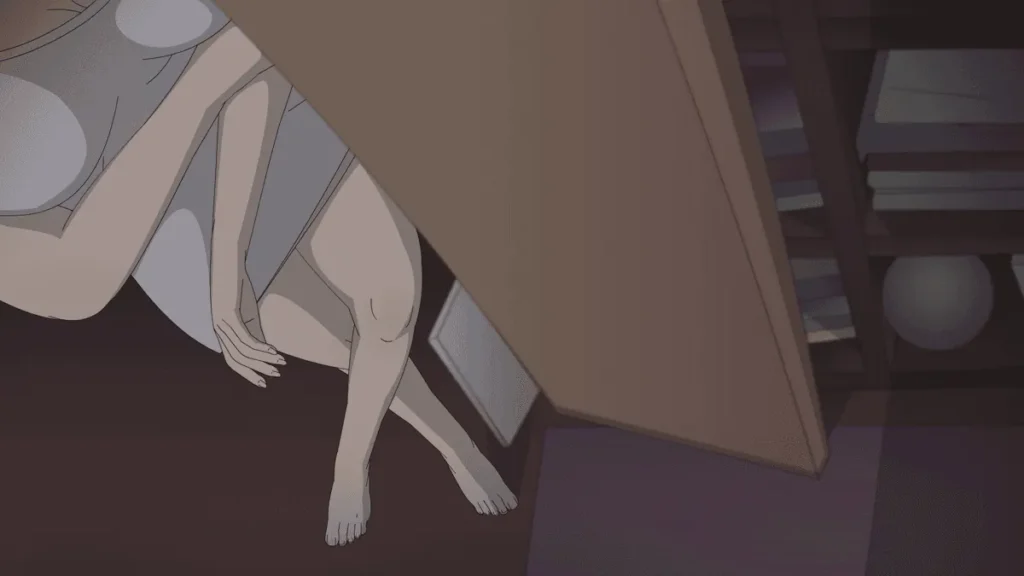
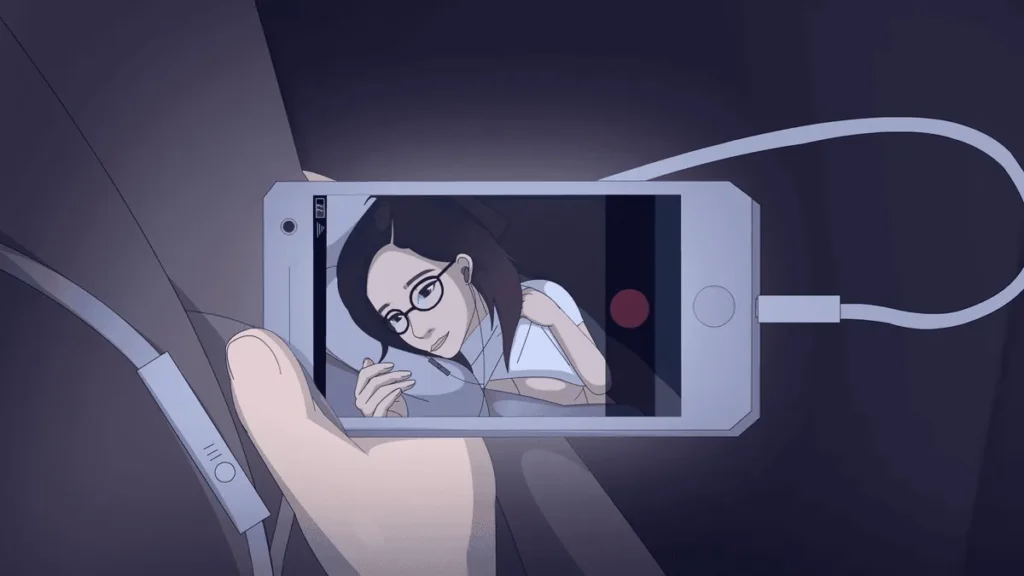
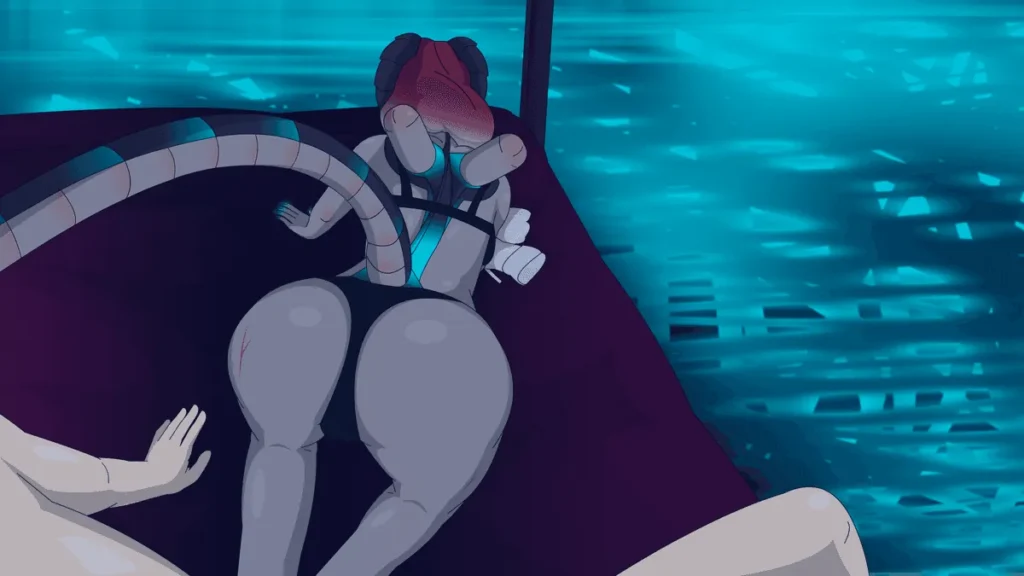
Deathable review
A practical look at Deathable’s story, choices, and adult themes from a player’s perspective
Deathable is an interactive visual story that mixes a bleak, post-collapse world with mature relationships, intense tension, and high-stakes choices. From the first minutes, it’s clear this is not a typical lighthearted adventure: you guide a solitary main character as he crosses paths with a mysterious visitor and navigates both danger and desire. In this guide, I’ll walk you through how Deathable plays, what kind of narrative and personal themes you can expect, and my own first-hand impressions after several playthroughs, so you can decide if this game’s blend of atmosphere and adult storytelling is right for you.
What Is Deathable and Why Has It Gained Attention?
You’ve seen the name popping up in certain corners of the internet, maybe accompanied by a provocative image or a whispered recommendation. But what is Deathable, really? Is it just another adult game, or is there something more lurking beneath the surface? If you’re curious but cautious, wondering if this is for you, let’s pull up a chair and have an honest chat. I’ve played through it, made the choices (both good and disastrous), and I’m here to give you a clear, practical look at what this Deathable game actually delivers. 🧐
Think of this as your spoiler-light guide to the experience, straight from a player’s perspective. We’ll break down the world, the storytelling, and yes, the adult content, to see if it’s the kind of narrative journey you’re looking for.
Deathable Overview: Setting, Tone, and Core Premise 🏚️
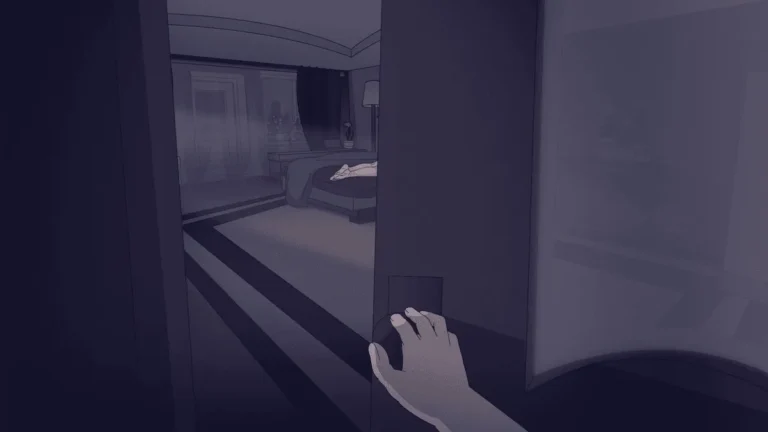
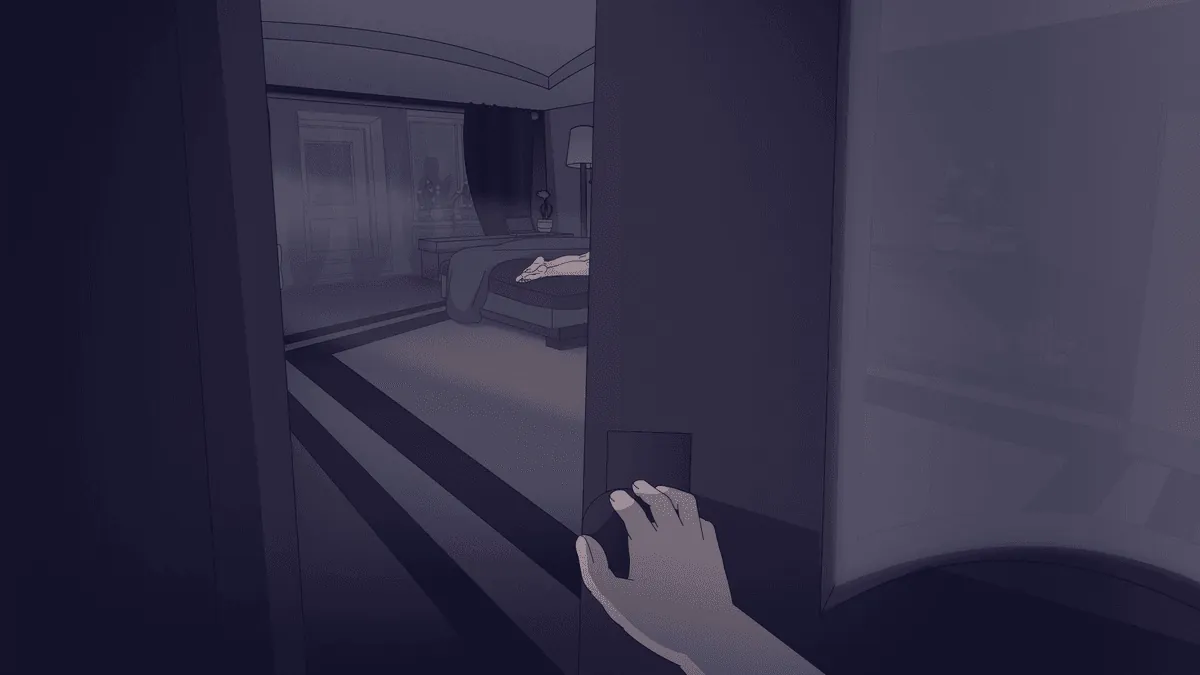
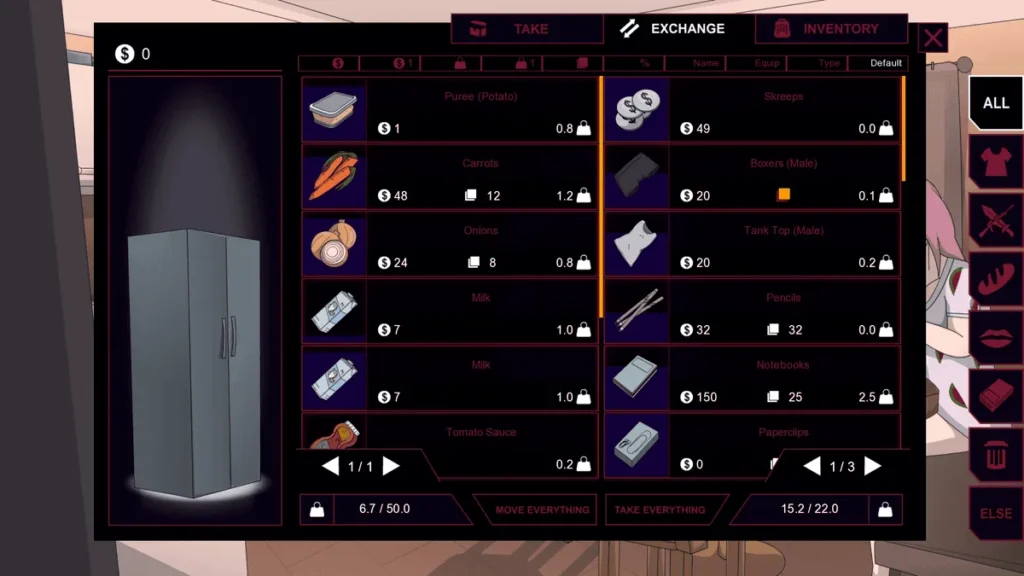
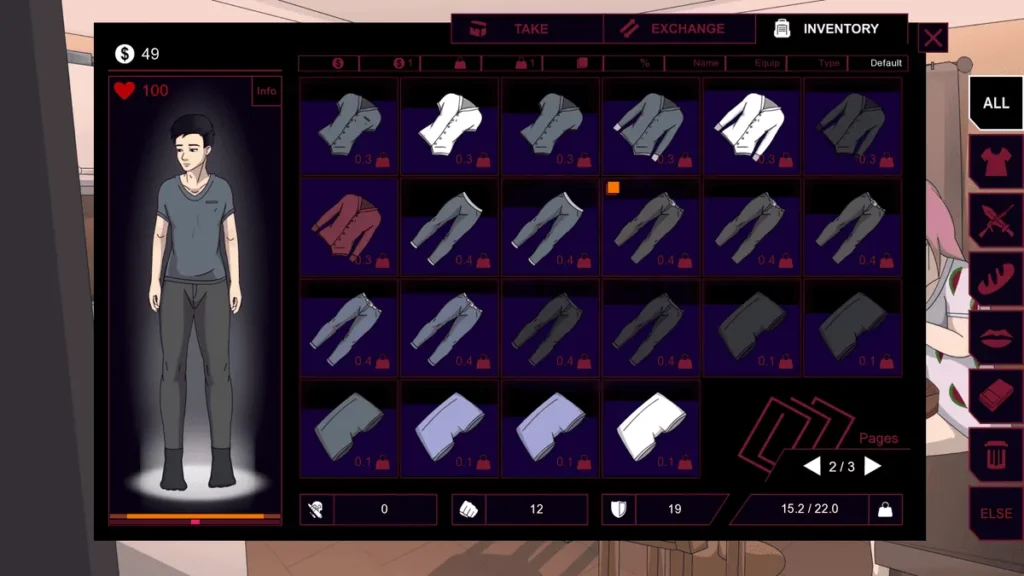
So, what is Deathable at its heart? Imagine the world after everything has fallen apart. Not with zombies or marauding bandits in the foreground, but with a deep, unsettling quiet. That’s the stage for this Deathable visual novel. You play as a man living a solitary, grinding existence on the desolate outskirts of a ruined city. Your days are a cycle of scavenging, fortifying your makeshift home, and surviving the eerie silence of a collapsed civilization. The atmosphere is thick with melancholy and a constant, low-grade dread—this isn’t a happy place.
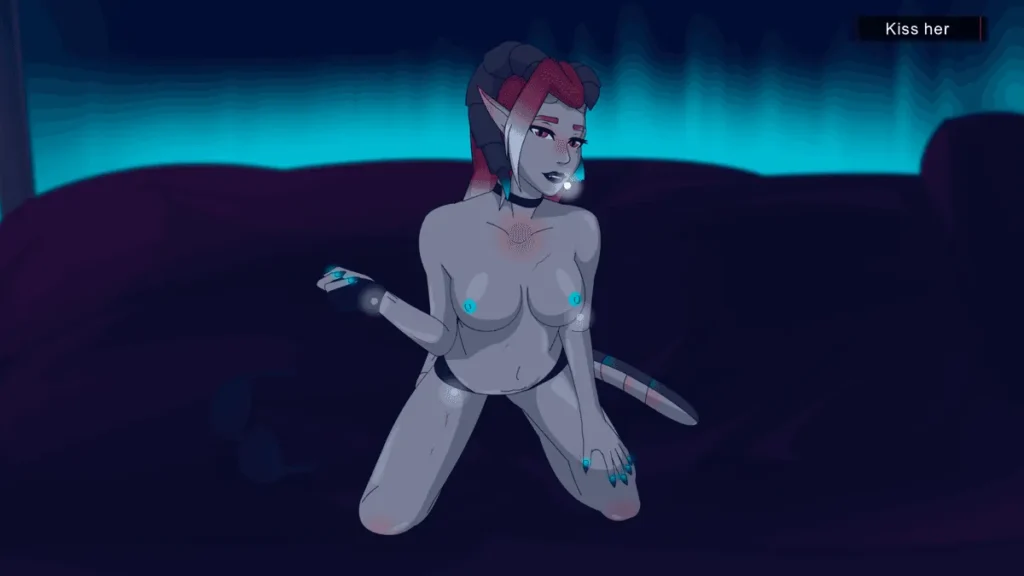
The core premise kicks in with the arrival of a supernatural guest. This isn’t a friendly neighbor. It’s an otherworldly being, a stranger who simply appears and inserts themselves into your fragile routine. Your home, which was once a lonely sanctuary, becomes a shared space charged with tension, curiosity, and unpredictable energy.
The genius of the Deathable story is in its stark contrasts. Outside, the world is dead and terrifying. Inside, the drama is intensely intimate and human (even when one participant isn’t strictly human). The tone masterfully swings between these poles:
* Eerie & Unsettling: The background lore hints at strange creatures and the irreversible catastrophe. You’re never truly safe.
* Tense & Psychological: Your interactions with the guest are a delicate dance of trust, fear, and desire. Every conversation feels loaded.
* Surprisingly Tender: And here’s the twist—depending on your choices, moments of genuine connection and vulnerability can emerge. The Deathable adult content is often woven into these emotional spikes, ranging from raw and desperate to curiously gentle.
It’s a mix that refuses to be simple. This isn’t just a backdrop for explicit scenes; the bleak setting directly fuels the intimacy and the stakes of every interaction.
To sum it up for those skimming:
- Setting: A lonely, post-collapse world on the edge of a ruined city. 🌆
- Main Character: A solitary survivor, worn down by isolation.
- The Guest: A mysterious, supernatural being that disrupts everything.
- Tone: A cocktail of dark atmosphere, psychological tension, and potential tenderness.
- Adult Material: Explicit content that is directly tied to the narrative’s emotional and relational dynamics.
How the Visual Story Format Shapes Deathable 📖
If you’re new to the genre, understanding the format is key to a Deathable gameplay overview. This is a visual story first and foremost. You’ll spend most of your time reading: dialogue, the protagonist’s internal monologue, and descriptive text that sets the mood. Think of it as reading a graphic novel where you control the protagonist’s decisions at crucial junctions.
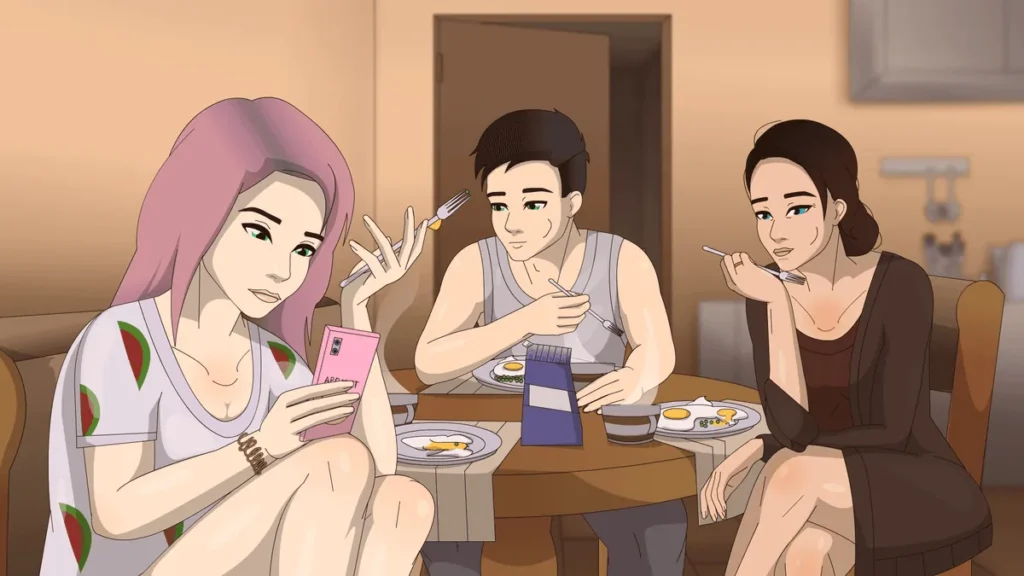
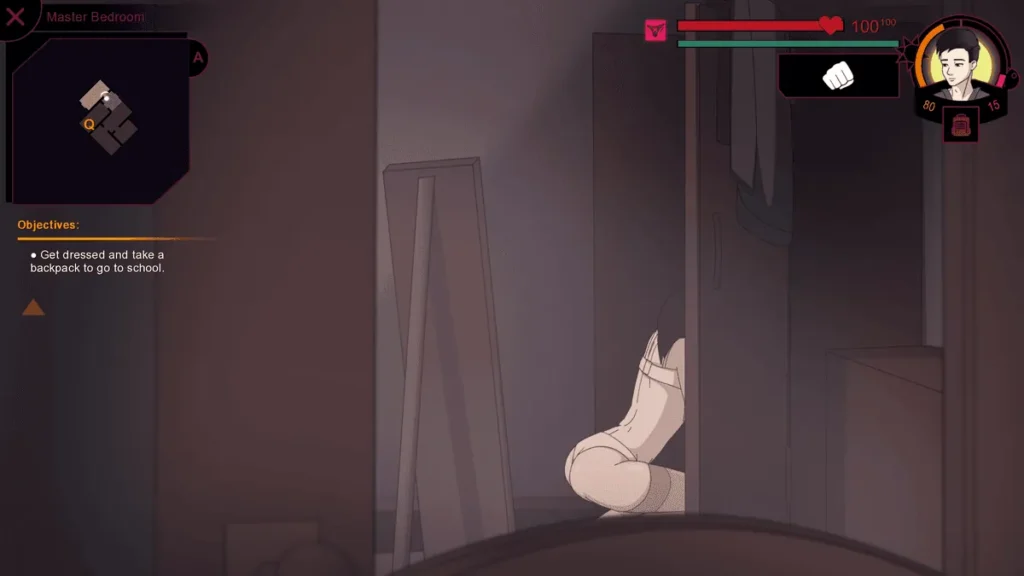
The presentation uses static or lightly animated scenes with detailed character portraits that change expression. The art does the heavy lifting in building the atmosphere—the grim landscapes, the claustrophobic interior of the home, the hauntingly beautiful design of the supernatural guest. The text fills in the sensory and psychological details, making you feel the chill in the air and the weight of the silence.
Where Deathable truly comes alive is in its branching choices. This isn’t a linear story. The dialogue options and actions you pick fundamentally alter:
* Scenes: What you see and experience.
* Relationships: How the connection with your guest evolves—is it hostile, curious, romantic, or parasitic?
* Outcomes: The game boasts multiple endings, leading you down paths that can be more romantic, more disturbing, or outright tragic.
Let me give you a concrete, early-game example:
The guest is curious about a mundane object in your home—a leftover from the old world. You’re given a choice:
* Explain it plainly. (Neutral)
* Share a personal memory associated with it. (Vulnerable)
* Snap that it doesn’t matter anymore. (Hostile)
This seems small, but it sets a tone. Choosing to share a memory might later unlock a more intimate conversation or a softer scene. The hostile route might make the guest more confrontational or slyly manipulative later on. These choices compound, quietly steering the entire emotional direction of your playthrough.
Compared to a fast-paced action game, the pacing in Deathable is deliberately slower and more reflective. You’ll have stretches of quiet world-building and character observation. But this makes the sudden spikes of intensity—whether they’re moments of confrontation, revelation, or explicit intimacy—hit much harder. You’re not just watching events; you’ve been living in the quiet, so when the storm breaks, you feel it.
My First Playthrough: Expectations vs Reality 🎮
Alright, confession time. When I first booted up Deathable, my expectations were… calibrated a certain way. Based on the tags and brief descriptions, I was braced for a fairly straightforward adult game with a grim coat of paint. I settled in, expecting the narrative to be a thin excuse for the main event.
Reality checked in fast. 🚨
Within the first hour, I was caught off guard by the intricate worldbuilding. Notes and environmental clues painted a picture of the collapse that felt genuinely eerie and original—less about monsters, more about a fundamental, reality-bending wrongness that had occurred. The strange, faintly glimpsed creatures in the lore weren’t just set dressing; they fed into a pervasive sense of wrongness that made my character’s isolation feel truly dangerous.
Then, the dynamic with the guest completely captivated me. This Deathable review moment was the big turn. I approached them with caution, choosing my words carefully. An early choice to establish a firm boundary (rather than a warm welcome) created this incredible, simmering tension. They weren’t immediately “friendly.” They were observant, cryptic, and their motives were unclear. The tone in my playthrough became one of uneasy cohabitation, where a simple offer to share food felt like a high-stakes negotiation.
The biggest surprise was the emotional complexity. Even when scenes escalated into explicit territory, they rarely felt gratuitous. They were charged with all the baggage we’d built up—distrust, loneliness, a twisted curiosity, or a fragile breakthrough in understanding. I found myself actually thinking about my choices, not just clicking for the next scene. “Will this build trust, or is this manipulation?” That’s not a question I often ask in games with adult content.
Now, for full honesty, I did notice some rough edges. On my first path, the transition from a tense conversation to a more intimate scene could sometimes feel a bit abrupt, like the rhythm stuttered. The pacing isn’t always perfect; some of the reflective stretches felt a tad long. A few visual assets felt slightly less polished than others.
But here’s the thing: those elements faded into the background because of what Deathable gets right. It stands out by treating its adult themes as an integral part of a narrative with real stakes and consequences. Your choices in intimacy directly affect your relationship status, which in turn locks or unlocks entire story branches. It’s not a reward; it’s a narrative turning point.
So, what is Deathable in the end? From my player’s perspective, it’s a compelling, mood-drenched visual novel for those who want their interactive stories to have teeth and their emotional choices to carry weight—into every facet of the experience. If you’re looking for a deep, atmospheric story where your decisions craft a unique, personal journey through loneliness, desire, and survival, then this Deathable game is absolutely worth your attention. Just be prepared for it to linger in your mind long after you’ve seen an ending. 😌
Deathable is not a quick, throwaway title; it is an adult-focused visual story that asks you to sit with uneasy choices, a harsh setting, and a strange relationship that can feel tender, tense, or outright troubling depending on how you play. If you’re drawn to narrative-heavy games that blend explicit scenes with real stakes and a strong sense of atmosphere, Deathable offers something more memorable than a simple gallery of scenes. Take your time with the dialogue, experiment with different paths, and pay attention to how each decision shifts both the tone and the fate of the characters. If that mix of mature storytelling, branching routes, and a bleak yet intimate world appeals to you, Deathable is worth adding to your adult game backlog and exploring over several thoughtful playthroughs.