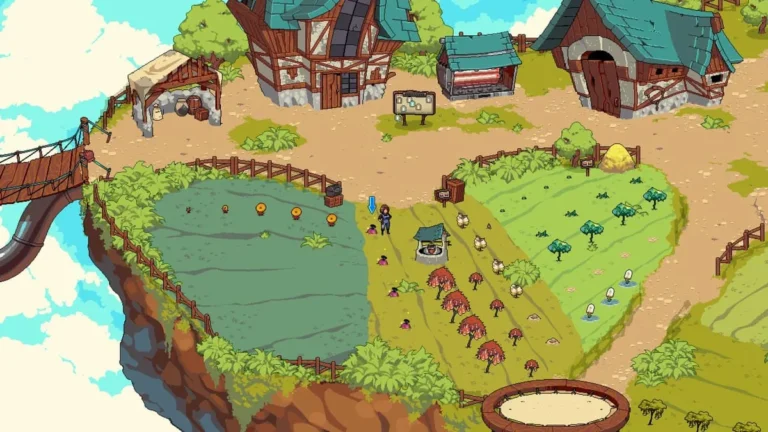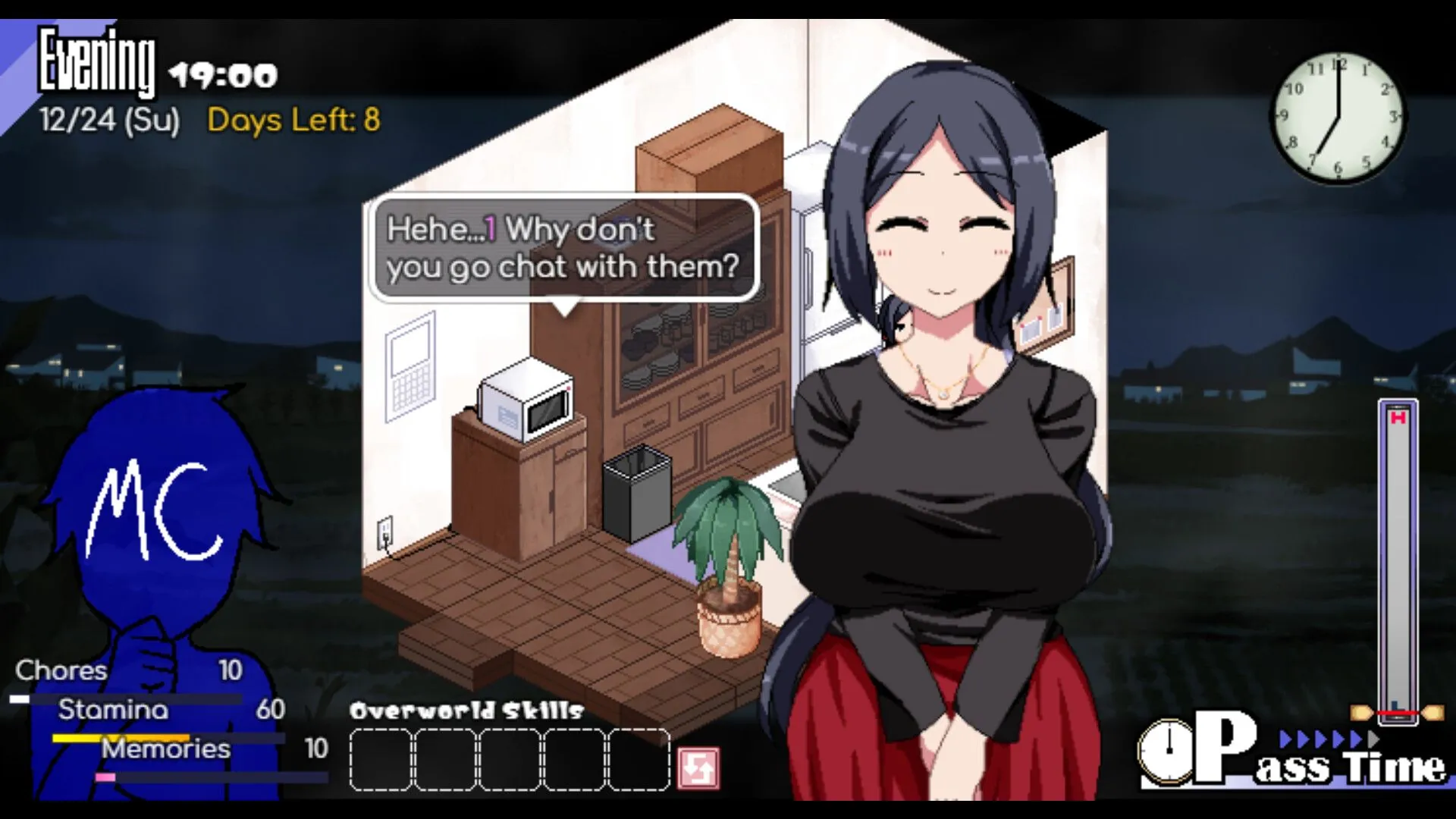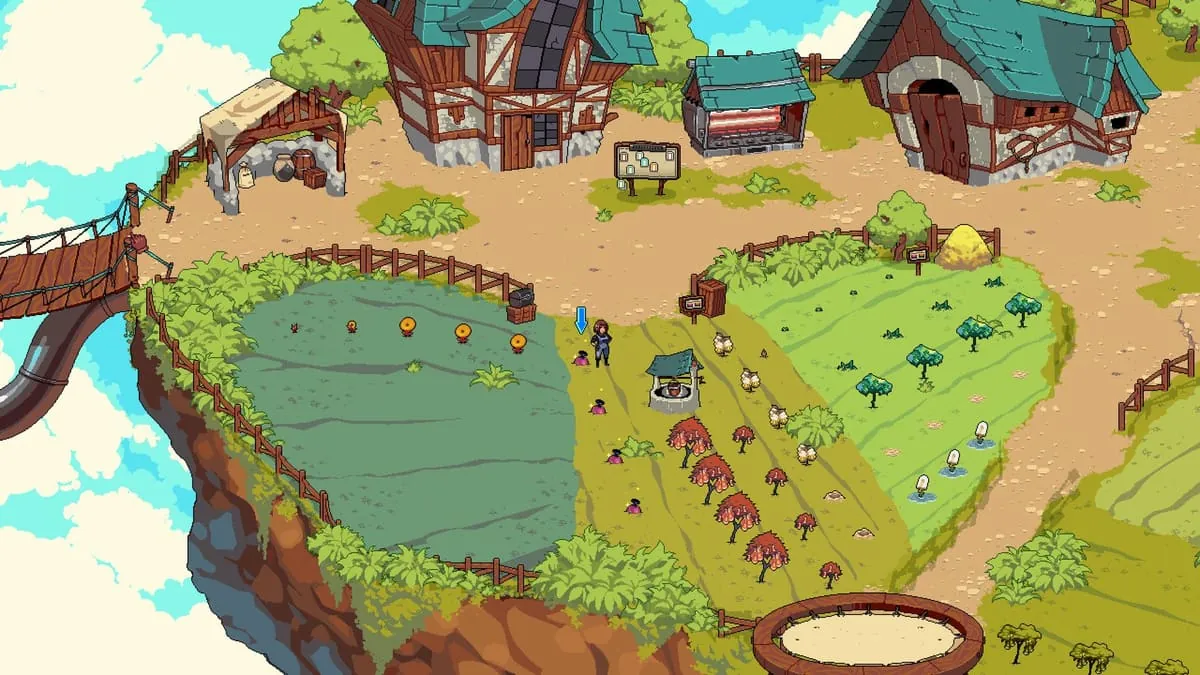
Cloud Meadow Screenshots
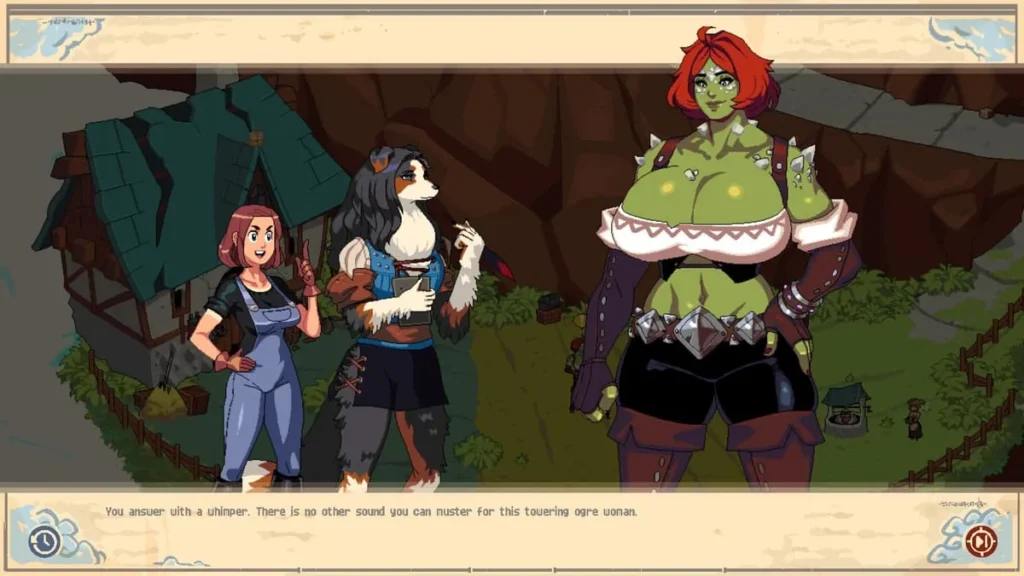
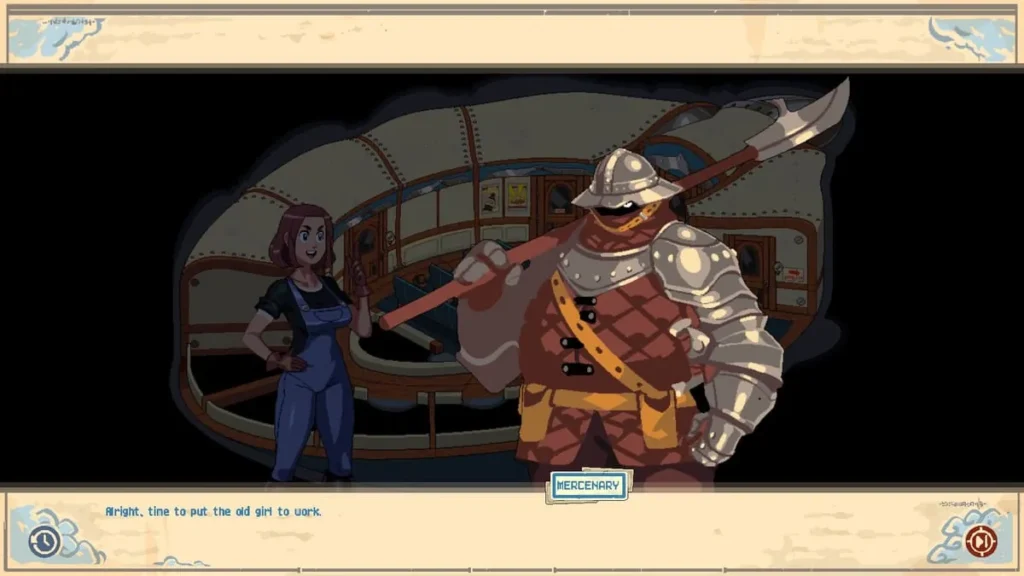
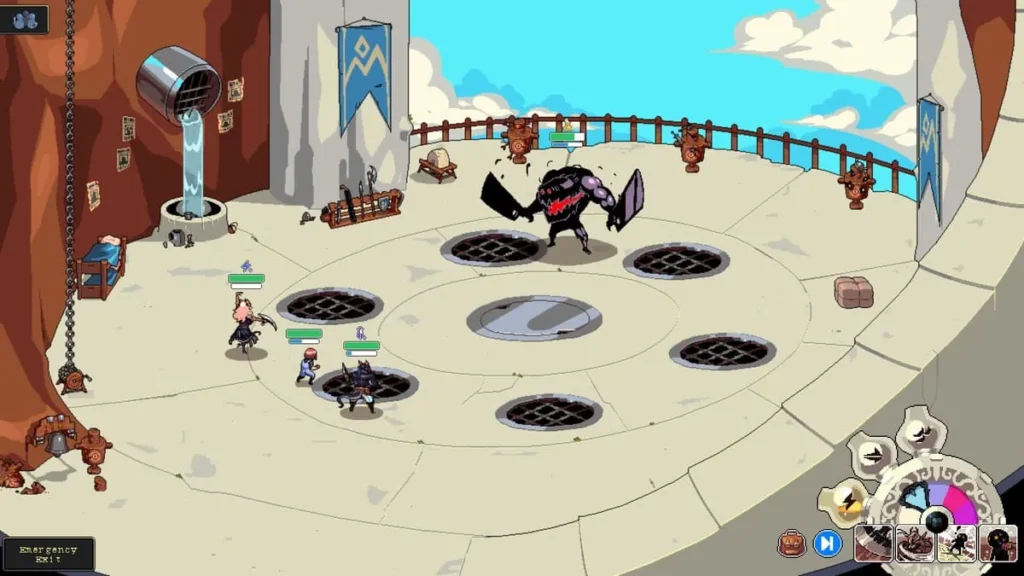


Cloud Meadow review
A practical, story-driven guide to exploring Cloud Meadow’s farming, dungeon crawling, and relationship systems
Cloud Meadow is a hybrid farming and dungeon-crawling game that mixes resource management, exploration, and mature relationship mechanics in a fantasy world of floating islands. If you have seen screenshots or short clips but still wonder what the actual moment-to-moment experience feels like, you are not alone. When I first tried Cloud Meadow, I expected a simple farm sim with a few spicy scenes; instead, I found a surprisingly deep tactical combat system, layered character interactions, and a slow-burn progression loop. In this article, I will walk you through how Cloud Meadow really plays, how its adult content fits into the bigger design, and what to expect as a new or returning player.
What Is Cloud Meadow and How Does It Play?
So you’ve heard the name Cloud Meadow floating around, maybe seen some of its eye-catching art, and you’re wondering what the deal is. Is it a farming game? A dungeon crawler? A relationship simulator? The answer is a resounding “yes” to all three 🎮. The real magic of Cloud Meadow gameplay is how it braids these threads into one addictively cozy—and sometimes thrilling—experience. Think of it less as a game with separate modes and more as a living ecosystem where your farm fuels your adventures, your adventures strengthen your bonds, and your bonds unlock new stories. Let’s break down exactly how does Cloud Meadow play and why it might just be your next obsession.
Story and Worldbuilding in Cloud Meadow
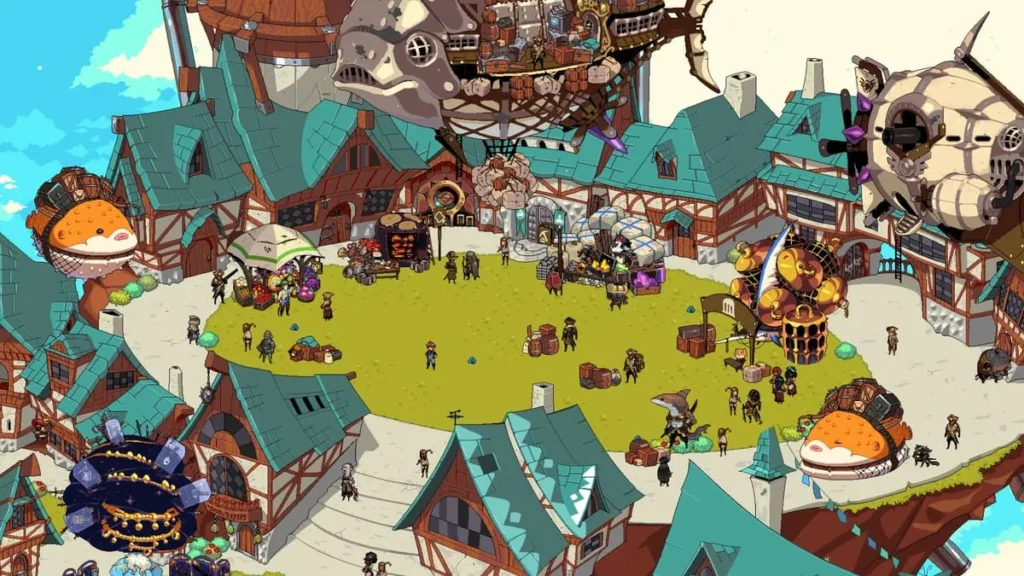
You start your journey on a series of lush, floating islands suspended in an endless sky—a setting that’s equal parts breathtaking and practical 🌄. This isn’t just a pretty backdrop; it’s a world where humans live alongside a host of friendly (and not-so-friendly) fantastical creatures. Your role is that of a pioneer, an explorer-farmer tasked with managing a homestead on the edge of the wild. The core Cloud Meadow story premise is simple but effective: rebuild, explore, and uncover the mysteries of the skies.
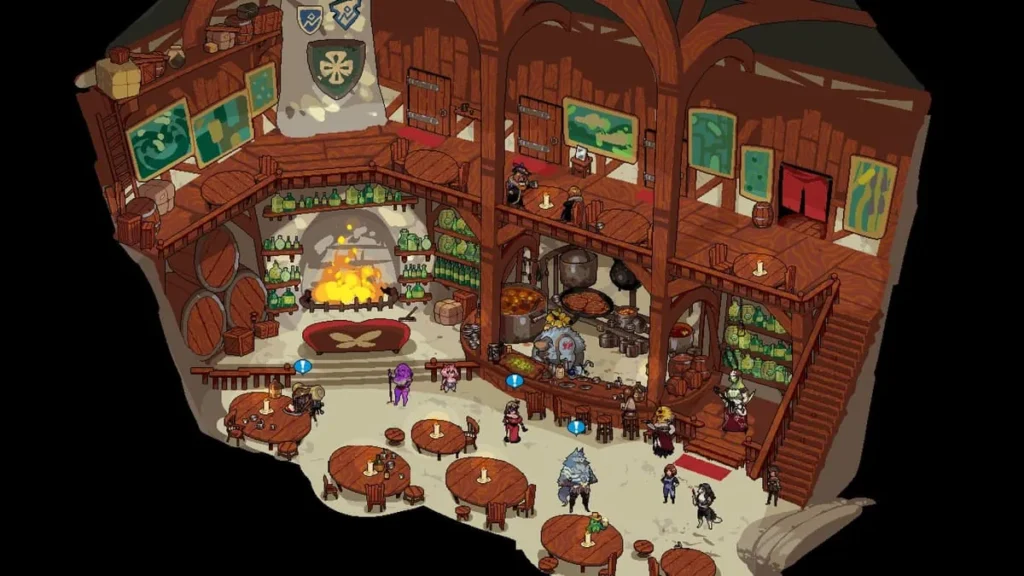
But don’t let the pastoral opening fool you. The narrative depth here unfolds gradually through quests, character-specific events, and meaningful choices. You’re not just clearing land; you’re becoming part of a community, learning its secrets, and influencing your relationships with everyone you meet. I remember early on, I was just focused on expanding my carrot patch when I stumbled into a questline for one of the local characters. What I thought would be a simple fetch quest evolved into a surprisingly tender story about loss and legacy that genuinely caught me off guard. It was the moment I realized the Cloud Meadow story had real heart beneath its fantasy surface.
The Cloud Meadow gameplay loop is ultimately driven by this narrative pull. You’re not farming just to farm; you’re gathering resources to prepare for delves into ancient dungeons, where clues about the world’s past—and future—are hidden. It’s a satisfying cycle where every action feels purposeful.
Tip: Talk to everyone, every day. The best story beats and relationship progress often come from casual, repeated conversations.
At its heart, Cloud Meadow is built on a few key pillars:
* Farming & Crafting: Your peaceful home base and economic engine.
* Combat & Exploration: The thrilling counterpart, testing your strategy in turn-based battles.
* Relationships: The emotional core, tying everything together with story and character growth.
Farming, Crafting, and Day-to-Day Life on the Floating Islands
This is your sanctuary. The Cloud Meadow farming system is your anchor, a relaxing and deeply rewarding cycle of growth and creation 🪴. You’ll plant seasonal seeds, tend to adorable (and sometimes bizarre) livestock like fluffy cloud-sheep, and process your raw materials into valuable goods. The art style—a gorgeous mix of detailed pixel environments and sleek, anime-inspired character portraits—makes even the most mundane chores feel cozy and charming.
The core daily loop is all about energy and time management. Each morning, you plan your day: do you invest your energy in watering crops, chopping wood, and mining ore? Or do you save that stamina for an afternoon dungeon run? Your farm is the foundation that supports everything else. The wool from your creatures becomes yarn for better gear, the crops become healing salves and buff-granting meals, and the gold you earn funds critical upgrades.
Here’s a snapshot of a typical, efficient day for me:
* Morning ☀️: Water the high-profit Frost Melons, collect eggs from the Cluckodiles, and process milk into cheese at the workbench.
* Afternoon 🏹: With my bag full of healing cheese and attack-boosting pickles, I head into the Crystal Caverns with two companions for a 3-floor dive.
* Evening 🌙: Back at the farm, I ship the gems and monster parts I found, use the resources to craft a new sword, and share a home-cooked meal with a friend to deepen our bond.
The key to mastering Cloud Meadow farming is working smarter, not harder. Early on, it’s easy to feel overwhelmed. My practical advice?
* Start Small: Focus on one or two high-value crops you can reliably water daily instead of trying to plant every single square.
* Upgrade Storage First: Nothing halts your Cloud Meadow gameplay progress faster than a full backpack or silo. Expand your chests early!
* Automate the Grind: Prioritize farm upgrades that save time and energy. A better watering can or a sprinkler system is a game-changer, freeing you up for the fun parts.
To give you a head start, here’s a quick reference on some foundational early-game crops:
| Crop Name | Season | Primary Use | Early-Game Tip |
|---|---|---|---|
| Carrot | Spring | Basic cooking & animal feed | Cheap and fast. Perfect for your first few plots. |
| Frost Melon | Summer | High-value sale, advanced recipes | Great for building your first real capital for upgrades. |
| Mushroom Cap | All (in caves) | Crafting & dungeon healing items | Forage these in dungeon entry areas; don’t use farm plots. |
Turn-based Combat and Dungeon Exploration Explained
When you descend from your peaceful islands into the mysterious depths below, the Cloud Meadow gameplay shifts gears dramatically. This is where Cloud Meadow combat and Cloud Meadow dungeon crawling take center stage ⚔️. You’ll explore multi-floor dungeons, each with increasing challenges, random layouts, and valuable loot. The combat is a strategic, turn-based system where button-mashing will get you nowhere.
You create a party from the characters you befriend (typically up to three, including yourself). Each companion has a dedicated role—like a hardy defender who taunts enemies, a fragile but powerful spellcaster, or a support character who heals and buffs. Success hinges on understanding skill synergies and enemy patterns. Maybe you use a character’s ability to lower an enemy’s defense, then follow up with another’s powerful strike for massive damage. Status effects like “Burned” or “Frozen” are crucial tools, not just flashy extras.
Let me give you a mini case study. I once charged into a dungeon boss, my usual team of two heavy hitters and myself. I’d breezed through the floors, so how hard could it be? The boss promptly summoned minions and hit my entire party with a damage-over-time effect. My DPS-focused team was overwhelmed, burning through my healing items before I’d even taken half its health. I failed, and it stung!
The next day, I went back with a new strategy. I swapped out one damage dealer for a dedicated support character with a party-wide cleanse ability. The fight was longer, but by carefully managing my support’s turns to remove the deadly burn effect and keep our defenses up, we wore the boss down steadily. It was a night-and-day difference that taught me the true depth of Cloud Meadow combat.
Your farm is your lifeline here. Every healing potion, attack-boosting snack, and revival item is crafted from the resources you grew or raised. This connection makes the Cloud Meadow farming feel vital and your dungeon successes deeply personal.
Always remember: A failed dungeon run is never a waste. You still keep gathered resources and EXP, so it’s always a learning experience.
Here’s a basic party composition table to illustrate common roles:
| Party Role | Key Function | Dungeon Run Advice |
|---|---|---|
| Vanguard (Tank) | Absorbs damage, draws enemy attacks with “Taunt” skills. | Keep them in the front row. Their survival is your top priority. |
| Striker (Damage) | Deals high single-target or area-of-effect damage. | Protect them! They are often fragile. Use them to focus fire on key threats. |
| Support (Healer/Buffer) | Heals party, removes debuffs, enhances allies’ stats. | Don’t just heal reactively. Use buffs at the start of tough fights to prevent damage. |
Actionable Dungeon Advice:
* Balance Your Party: Never go in with just damage dealers. A tank or a healer can be the difference between a triumphant return and a humiliating recall.
* Watch and Learn: The first turn or two of a new enemy encounter should be spent observing their patterns. Do they attack the front row? Do they apply a nasty status effect?
* Pack Smart: Fill your bag with items from your farm. Healing salves, energy-restoring snacks, and even items that let you escape a tough fight are essential.
So, how does Cloud Meadow play in the end? It plays like a beautifully balanced dance between calm and storm. You’ll lose hours to the tranquil rhythm of farm life, only to get your adrenaline pumping in a tense, tactical dungeon battle, all while becoming genuinely invested in the characters who share this sky-bound world with you 🏡❤️️⚔️. While its adult elements might draw initial curiosity, it’s this incredibly satisfying, story-driven loop of growth, exploration, and connection that will make you stay. This Cloud Meadow guide is just your first step—your own story in the clouds awaits.
Cloud Meadow blends cozy farm management, tactical dungeon runs, and mature character interactions into a single, surprisingly layered experience. Once you settle into the rhythm of tending your fields, preparing for expeditions, and getting to know the cast, the floating islands start to feel like a place you genuinely live in rather than just a backdrop.
If you are curious about Cloud Meadow, the best way to decide if it is for you is to treat it like a farm-and-combat sim first and an adult title second. Give yourself a few in-game days to experiment with crops, build a balanced team, and follow a couple of character events. If that loop clicks for you, you will likely find plenty to enjoy as the world opens up and the relationships deepen.